

Men's 5 Inch Inseam Shorts: The Complete Buying Guide
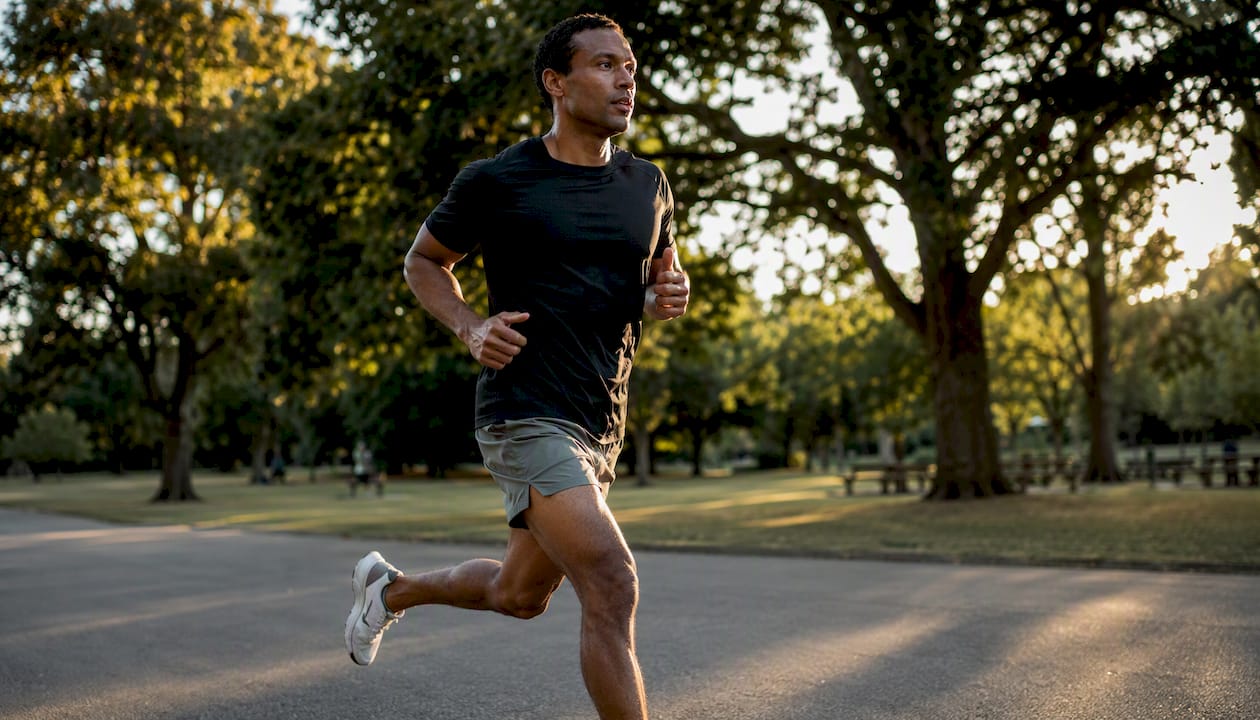
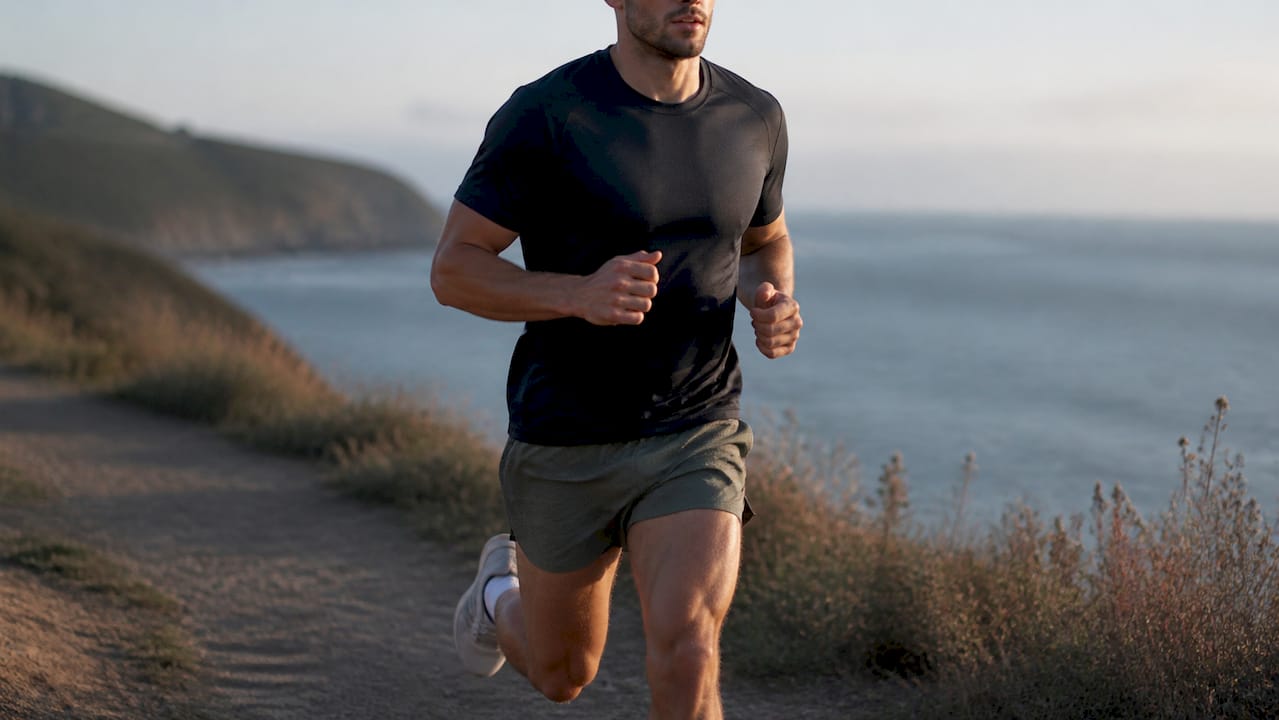
A 5-inch inseam hits mid-thigh and is the go-to choice for runners, HIIT athletes, and men who want a sportier, leg-forward look. If you train hard, move fast, or just refuse to blend in, this length was built for you. Elitebloodlines carries bold, limited-run 5" styles that deliver both performance and street credibility.
Why 5" shorts belong in your rotation:
- Maximum leg mobility for sprints, box jumps, and explosive movements
- Better airflow around the thigh compared to longer inseams
- A sportier, more athletic silhouette that reads confident on and off the track
- Trending hard in streetwear and retro athletic aesthetics right now
One trade-off to know: men with larger thighs may experience inner-thigh chafe without a built-in liner or a non-clinging fabric. More on that below.
Key Takeaways
Five-inch inseam shorts are the strongest choice for speed, heat, and style when you pick the right fabric and fit for your body.
| Point | Details |
|---|---|
| Best use cases | 5" excels at sprints, HIIT, and hot-weather training; choose 7" for lifting or casual coverage. |
| Size for thighs | If the thigh feels tight in your normal size, go up; a tight thigh rides up and restricts movement. |
| Fabric rule | Polyester or nylon blends dry fastest and hold shape longest; wash cold and skip fabric softener. |
| Liner decision | Pick a built-in liner if you run without compression shorts; go unlined if you layer your own. |
| Elitebloodlines pick | The EB Core Line and Icon V2 mesh shorts deliver performance construction with bold, limited-run design. |
Table of Contents
- What does a 5-inch inseam actually mean?
- Who should actually wear a 5-inch inseam?
- How to choose the right 5-inch shorts
- Style variants and recommended picks from Elitebloodlines
- How to read size charts and measure at home
- How to care for your shorts so they last
- Why 5" often outperforms longer inseams for hard training
- Elitebloodlines 5" styles: built for the bold
- The 5" short is a statement, not just a length
- Sources
What does a 5-inch inseam actually mean?
The inseam is the distance from the crotch seam straight down to the hem. To measure yours, stand upright with feet shoulder-width apart, place a tape measure at the top of your inner thigh (where the seam sits), and run it down to where you want the hem to fall. A 5" inseam typically lands mid-thigh, roughly 5 inches below the crotch seam, according to Men’s Health style editors.
Where that sits on your leg depends on your height. On a 5’8" frame, mid-thigh is noticeably high. On a 6’2" frame, the same 5" measurement reads slightly less dramatic because the thigh is proportionally longer. Neither is wrong. The look just reads differently.
How 5" compares to 7" and 9" inseams
| Feature | 5" Inseam | 7" Inseam |
|---|---|---|
| Hem placement | Mid-thigh | Just above the knee |
| Freedom of movement | High | Moderate |
| Heat dissipation | Slightly better | Standard |
| Chafe protection | Lower | Higher |
| Pocket space | Often limited | More room |
| Best for | Sprints, HIIT, streetwear | Lifting, casual, versatile |
Goal Sportswear’s technical comparison confirms that the shorter cut increases freedom of movement and slightly improves heat dissipation, while trading off some chafe protection and pocket depth. A 9" inseam extends to or just below the knee and is primarily a casual or basketball-style choice.
Pro Tip: Many brands grade inseam length by size. A size Small might measure 5.0" while a size XL measures 5.75". Always check the size-specific inseam measurement on the product page, not just the style name.
Who should actually wear a 5-inch inseam?
The short answer: men who move fast, run hot, or want their legs to show. Vitality Athletic Apparel’s breakdown puts it plainly: 5" is the call for sprints and high-intensity work; 7" suits lifting and casual wear better.
Primary use cases where 5" wins:
- Sprinting and tempo runs: Less fabric means less drag and zero bunching at the hip.
- HIIT and circuit training: Full range of motion for lunges, burpees, and lateral movements.
- Hot-weather training: Reduced coverage means more skin exposed to airflow.
- Sporty streetwear: Retro running aesthetics are everywhere right now, and 5" is the authentic length.
- Cycling and rowing: Shorter hem stays clear of the seat and doesn’t ride up.
Body-type guidance: Height matters less than thigh size and personal confidence. Men with lean or athletic thighs tend to find 5" comfortable immediately. Men with larger, more muscular thighs should prioritize fabrics with a non-clinging weave and consider a lined option to prevent friction. As Men’s Health notes, 5" is for men confident about showing their quads. First-time wearers often feel exposed initially; try them for a few training sessions before committing to wearing them out.
Quick do/don’t list:
- Do: choose 5" for any cardio-dominant session or warm-weather streetwear.
- Do: pick a liner or compression short underneath if you’re prone to inner-thigh chafe.
- Don’t: default to 5" for heavy barbell work where a longer inseam gives better coverage on the bench or platform.
- Don’t: size down aggressively; a snug waist with tight thighs will ride up constantly.
How to choose the right 5-inch shorts
The buying checklist
- Fabric weight and fiber mix. Lightweight polyester (85–100%) or nylon blends dry fastest and hold shape through repeated washes. Cotton blends feel softer but hold moisture longer.
- Breathability and quick-dry. Look for mesh panels, perforated zones, or moisture-wicking finishes. Performance shorts often list “4-way stretch” and “quick-dry” as baseline specs.
- Liner vs. unlined. A built-in brief liner eliminates the need for separate compression shorts and reduces chafe. Unlined shorts feel cooler and give you flexibility to wear what you want underneath.
- Waistband type. A wide elastic drawstring waistband stays put during sprints. Flat-front woven waistbands read more casual. Avoid thin elastic alone on performance styles; it rolls and loses shape fast.
- Pocket type. Zip pockets secure your phone and keys during runs. Drop-in side pockets work fine for casual wear but bounce during high-intensity movement. Customer feedback on performance short pages consistently highlights zip pockets as the most useful feature for training.
- Inseam construction. Check for a gusset (a diamond-shaped fabric insert at the crotch seam). It prevents tearing during deep squats and lateral lunges. Flatlock stitching at the hem reduces skin irritation.
- Price range. Amazon’s 5-inch inseam shorts search shows options from under $20 for basic styles to $60–$80 for technical performance cuts. Limited-run streetwear pieces sit in the $35–$60 range.
Should you get a liner?
If you run regularly or do HIIT without compression shorts underneath, yes. A liner keeps everything in place and eliminates chafe without adding bulk. If you prefer wearing your own compression layer or just want a casual short, unlined is the cleaner choice.
Are zip pockets worth it?
For any activity where you carry a phone or key, absolutely. Drop-in pockets are fine for the gym floor but impractical the moment you start moving at speed.
When to size up or down
Size for your thighs, not your waist. If the waist fits but the thighs feel tight, go up. A tight thigh will ride up constantly and restrict movement. Most brands include a drawstring to compensate for a slightly looser waist.
Style variants and recommended picks from Elitebloodlines
Not all 5-inch shorts are built the same. The four main style buckets each serve a different purpose.
Lined performance shorts combine a built-in brief with lightweight woven or knit fabric. They’re the go-to for running and HIIT. Features to expect: 4-way stretch, moisture-wicking finish, zip pockets, and a gusseted crotch.
Unlined lightweight running shorts prioritize airflow above everything. Mesh construction or ultra-thin polyester keeps weight minimal. Best for tempo runs and hot-weather cardio where you’re wearing compression underneath anyway.
Woven casual and retro styles use heavier cotton or cotton-blend fabric with a more structured look. Think vintage athletic shorts with a modern cut. These work for streetwear, warm-weather errands, and low-key gym sessions. Elitebloodlines’ vintage wash cotton shorts hit this category directly: washed cotton construction, a relaxed but not sloppy silhouette, and the kind of worn-in character that synthetic fabrics can’t replicate.
Hybrid street-to-gym shorts split the difference. They look sharp enough for a coffee run but move freely enough for a training session. Bold graphics, premium fabric, and a 5" cut that doesn’t apologize for showing leg.
Elitebloodlines picks worth checking
- EB “Star” Men’s Loose Fit Performance Shorts: Loose athletic fit, bold graphic detailing, drawstring waistband, built for movement and streetwear crossover.
- EB Core Line Mesh Drawstring Shorts: Open mesh construction for maximum airflow, drawstring waist, unlined for flexibility in layering. The right call for hot-weather training.
- EB Icon V2 Mesh Drawstring Shorts: Technical mesh build with a performance-forward cut, graphic branding, and a drawstring waistband that holds through any session. Check the EB Vintage Line for retro-styled options that carry the same DNA.
How to read size charts and measure at home
Getting the inseam right starts with two measurements: your waist and your inseam.
- Measure your waist. Stand relaxed, wrap a soft tape measure around your natural waist (just above the hip bone), and note the measurement in inches. Don’t suck in.
- Measure your inseam. Stand barefoot on a hard floor. Place the tape at the top of your inner thigh, right at the crotch, and run it straight down to the floor. That’s your full inseam. For 5" shorts, you’re buying a garment with a 5" inseam, not measuring your own leg to 5".
- Check the brand’s size chart. Match your waist measurement to the chart first. Then check the listed inseam for that size. As noted earlier, inseam can vary by size within the same style.
- Read the model notes. Most product pages list the model’s height and the size they’re wearing. If the model is 6’0" in a Medium and the hem looks mid-thigh, you can predict how it’ll sit on your frame relative to theirs.
- Decide on fit direction. If you’re between sizes, size up for comfort and mobility. Size down only if you want a snug, compression-adjacent feel and you’re certain the thighs won’t restrict movement.
Returns and exchanges exist for a reason. If a brand offers free returns, order two sizes and keep the one that fits. A 5" short that rides up constantly is worse than no short at all.
How to care for your shorts so they last
Fabric performance degrades fast when you wash wrong. Here’s what actually matters:
- Cold water, gentle cycle. Heat breaks down elastic fibers and degrades moisture-wicking coatings. Cold water preserves both.
- Skip the fabric softener. Softener coats synthetic fibers and kills moisture-wicking performance. Use a sports wash detergent instead.
- Air dry when possible. High dryer heat shortens the life of elastic waistbands and can shrink cotton blends. Hang or lay flat to dry.
- Turn inside out before washing. Protects graphic prints and reduces pilling on the outer fabric surface.
- Zipper care. Close all zippers before washing to prevent snags. If a zipper stiffens, a small amount of zipper lubricant restores smooth function.
- Chlorine warning. Frequent pool use degrades polyester and nylon faster than any other factor. Rinse immediately after swimming and wash separately.
A quality polyester or nylon performance short, washed correctly, should hold its shape and performance for 12–18 months of regular use (3–5 sessions per week). Cotton blends last longer in terms of fabric integrity but may lose shape faster with heavy use. Heavy abrasion from rough surfaces and frequent chlorine exposure are the two fastest ways to shorten a pair’s life.
Why 5" often outperforms longer inseams for hard training
The performance case for shorter inseams is straightforward. Goal Sportswear’s comparison of 5" and 7" running shorts finds that the shorter cut increases freedom of movement and slightly improves heat dissipation. Less fabric around the thigh means less resistance during hip flexion and less trapped heat during sustained effort.
Style editors at Men’s Health frame the choice as much about confidence as function. The 5" cut signals athletic intent. It’s the length serious runners and HIIT athletes have worn for decades, and its current streetwear resurgence is built on that authentic athletic heritage.
One honest caveat: men with larger thighs may find that shorter hems ride up and cause friction. The fix is fabric selection, specifically non-clinging weaves and a gusseted construction, or a liner. Choosing the right build matters more than avoiding the length altogether.
Elitebloodlines 5" styles: built for the bold
Elitebloodlines makes shorts for men who train with intention and dress with identity. The 5" cuts in the current lineup carry bold graphics, premium fabric construction, and the kind of limited-run exclusivity that means you won’t see your pair on every guy at the gym.
The EB Core Line Mesh Drawstring Shorts and EB Icon V2 Mesh Drawstring Shorts are the performance picks. For a retro street look, the vintage wash cotton option delivers character that synthetic fabrics can’t touch. New drops land regularly, and stock moves fast. Check the current drops now to see what’s available in your size before it’s gone.
The 5" short is a statement, not just a length
Most men overthink the inseam decision. They default to 7" because it feels safe. Safe is fine. But safe doesn’t push the pace, and it doesn’t turn heads on the street.
The 5" cut has a track record: it’s what serious runners wore before longer shorts became the default, and it’s what the current generation of athletes and streetwear-forward men are returning to. The mobility advantage is real. The aesthetic is intentional. And when the fabric and fit are right, the chafe concern disappears.
My recommendation: if you train hard and you’re not already wearing 5" shorts, try a pair for your next cardio session. Start there. The Elitebloodlines mesh options are a strong entry point because the construction handles movement well and the graphics make a statement without trying too hard. Own your look. Trust the blood.
Sources
- How long should your shorts be? Style editors settle the great debate. – Men’s Health
- 5-Inch vs 7-Inch Running Shorts: How to Choose the Right Inseam - Goal Sports Wear
- How inseams in shorts affects workout: 5 vs 7 inch – Vitality Athletic Apparel (blog)
- 5 Inseam Shorts – Amazon search results