

Editor Picks: Best Gym Streetwear Brands With 8–12 oz Heavyweight Tees
The best gym streetwear brands deliver both workout-ready performance and street-ready style, which means checking fabric weight, breathability, and cut before checking the graphic on the front. Elite Bloodlines earns a recommended spot for readers who want bold, durable gym-to-street apparel built around heavyweight tees and limited drops. The sections below break down exactly how to judge any brand and where Elite Bloodlines fits the criteria.
TL;DR:
- Fabrics with a weight of 8 to 12 ounces are best suited for durability and heavy training, while lighter fabrics tend to wear out quickly.
- Confirming fabric blend percentages and checking for reinforced seams extend the lifespan of gym streetwear pieces.
- Limited-run drops and exclusive designs help brands build loyalty, but verify actual product scarcity before purchasing.
- Proper fit and sizing, especially in chest and waist measurements, are essential for comfort during various workout types.
- Most quality gym streetwear is sold directly online, making transparent size charts and clear return policies key indicators of a trustworthy brand.
Table of Contents
- What Should You Look for in Gym Streetwear?
- Which Gym Streetwear Brand Fits Your Goals?
- How Do You Style Gym Streetwear for the Gym and the Street?
- Why Elite Bloodlines Fits the Gym Streetwear Criteria
- Is Gym Streetwear Actually Sustainable?
- What Fabric Technology Actually Improves Performance?
- Where Can You Buy Gym Streetwear Brands?
- Ready to Build Your Gym-to-Street Wardrobe?
- An Editor’s Take on the Gym Streetwear Boom
- Sources
What Should You Look for in Gym Streetwear?
The right gym streetwear starts with fabric, not the graphic. A shirt can look aggressive on the hanger and still fail you at rep twelve if the material can’t move with your shoulders or breathe through a sweat session.
Fabric matters more than most shoppers realize. Polyester blends handle moisture wicking best, which is why most performance-first brands lean on them for base layers and training tops. Nylon adds abrasion resistance, useful for shorts and joggers that see friction against gym equipment. Cotton-heavy blends deliver the streetweight feel people associate with real streetwear, the drape and density that make a graphic tee look intentional rather than flimsy, but they hold onto sweat longer. A tee built from a cotton and polyester blend, often in the 60/40 or 80/20 range, tends to split the difference: enough natural fiber for that heavyweight street look, enough synthetic content to keep it from turning into a wet rag by the second set.
Fit changes with the workout. Compression fits make sense for heavy lifting sessions where you want fabric that won’t snag on a barbell or bunch under a lifting belt. Relaxed and oversized fits, the kind streetwear culture built its identity on, work best for warm-ups, cardio, and anything that involves walking out the gym door straight into the rest of your day. Cut affects mobility too. A boxy tee with too much fabric under the arms restricts overhead pressing; a well-drafted oversized fit accounts for that with drop shoulders and extra room through the body, not the sleeve.
Durability shows up in details most people skip past. Fabric weight, measured in ounces, tells you more than a product description ever will. A tee below 5 ounces is a summer basic. Anything in the 8 to 12 ounce range is built to survive repeated wash cycles and heavy training without pilling or thinning at the seams. Reinforced seams, gusseted underarms on tops, and a wide, non-rolling waistband on shorts and joggers are the physical cues that a brand engineered for actual movement rather than just a photo shoot.
Performance features are where a lot of “athleisure” brands quietly cut corners. Zippered or deep-set pockets that survive a set of burpees without spilling your phone, drawcords that stay tied through a sprint, anti-odor treatments on synthetic blends, and genuine breathability panels in high-sweat zones separate gym-capable gear from stuff that just looks athletic.
Sizing and returns deserve five minutes before you buy. Check chest, waist, and length measurements against your own numbers rather than trusting a size label alone, since fit runs differently across brands and even across a single brand’s own drops. A published size chart with actual inches or centimeters, not just S/M/L guesses, is a good sign a brand takes fit seriously. Vague or restrictive return policies on apparel are a red flag; a brand confident in its sizing usually backs it with an easy exchange process.
Editorial testing guides for men’s workout apparel consistently tie fit recommendations to the specific workout type, noting that trainers and editors test the same piece differently for lifting versus cardio performance. That distinction is worth applying to your own closet: a shirt that’s perfect for squat day might be the wrong choice for a run.
Price and lifetime value connect directly. A $20 tee that pills after five washes costs more over a year than a $45 heavyweight tee that survives fifty. Readers researching workout apparel tend to accept a higher price tag once they see visible construction cues like reinforced seams or heavier fabric weight, because those details signal a garment built to last rather than one built to sell once.
- Check the fabric blend percentage, not just the fiber name on the tag.
- Match compression or relaxed fit to your primary workout, not your favorite silhouette.
- Look for fabric weight in ounces on the product page before you check the price.
- Read the return policy before checking out, especially on limited or final-sale drops.
Pro Tip: Hold a shirt up to light if you can, in-store or in unboxing photos online. If light passes through easily, the fabric is likely too light for serious training wear and will show sweat and shrink faster than a heavyweight blend.
Which Gym Streetwear Brand Fits Your Goals?
No single brand wins every category, which is why the smartest way to shop gym streetwear is by purpose rather than by hype. Editors covering workout apparel routinely sort brands into buckets like best overall, most comfortable, best quality, and best for street style, and that framework holds up well for anyone trying to build a gym-to-street wardrobe without wasting money on the wrong pieces.
1. Best for street style
Street style in gym apparel comes down to three things: bold graphics that read from across a gym floor, heavyweight fabric that gives a shirt real presence instead of clinging like a compression layer, and a drop culture that makes owning a piece feel like it means something. Some streetwear brands build their identity around this lane, focusing on heavyweight graphic tees and oversized silhouettes designed to carry retro-inspired, bold artwork the way streetwear culture has always demanded, not as an afterthought printed on a stock blank. Limited-run collections can add a layer most gym-apparel brands skip entirely: exclusivity. When a drop sells out, it may stay sold out, which is a mechanic that streetwear culture has used for decades to build loyalty among younger buyers. If your gym bag needs a tee that also works walking into a coffee shop afterward, this is the category to shop first, and Elite Bloodlines’ graphic tee lineup is built specifically for that crossover.
2. Best for durability and quality
Durability is a fabric-weight conversation before it’s a brand conversation. Anything under 6 ounces is going to show wear inside a few months of regular training and washing. The sweet spot for a tee that survives heavy rotation sits between 8 and 12 ounces, paired with double-stitched seams and a collar that resists stretching out after repeated wear. Some Core Line pieces in the market run heavier than most streetwear tees, built around the idea that a shirt should still look sharp after many washes, not just a few. Investing here makes sense specifically for pieces you plan to wear two or three times a week; a lightweight basic doesn’t need this level of construction, but a signature piece you’ll reach for constantly does.
3. Most affordable option that still performs
Budget shopping in this category is a minefield of false savings. A cheap tee that shrinks two sizes after one wash, or a pair of shorts with a waistband that rolls by the third wear, costs more in replacement purchases than a slightly pricier piece that lasts. The smarter budget move is prioritizing fabric weight and stitching quality over brand name entirely; a 7 to 8 ounce tee at a moderate price point almost always outperforms a 4 ounce tee at a discount price, regardless of logo. Affordable brands can absolutely deliver reasonable performance for casual training, but expect trade-offs on longevity or advanced features like moisture-wicking treatments once you drop below a certain price floor.
4. Best basics and layering pieces
Every gym-to-street wardrobe needs a rotation of neutral pieces that don’t compete with the statement drops. Plain heavyweight tees in black, white, and gray, along with a well-cut jogger, form the backbone that lets a bold graphic tee or an oversized piece stand out on top. The fabric and fit tradeoff here favors slightly heavier cotton blends since basics get worn more often than statement pieces and need to survive the wash cycle without pilling.
5. Best size-inclusive options
Real size inclusivity means more than a size chart that stops at XL. It means published measurements in actual inches, not vague small/medium/large guesses, extended ranges that genuinely fit a wider range of bodies rather than just scaling the same block pattern up, and a return policy that doesn’t punish you for guessing wrong on a first order. Editorial roundups increasingly call out size-inclusive brands as a differentiator worth highlighting, and that standard is a fair one to hold any brand to before you commit to a purchase, especially on a limited drop that won’t restock.
How Do You Style Gym Streetwear for the Gym and the Street?
A simple three-piece formula covers most gym-to-street situations: a performance base layer, a street-forward mid-layer, and a versatile shoe that doesn’t look out of place in either setting. That structure shows up across most credible styling guidance for workout apparel, and it works because each piece has one job.
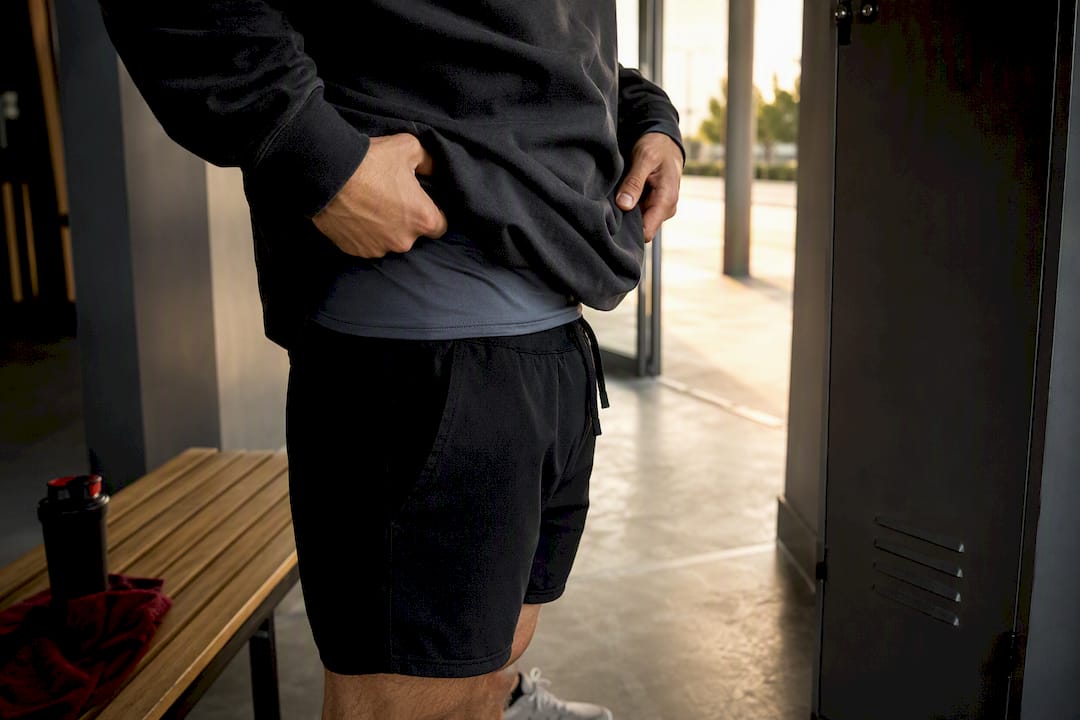
For a warm-up or a light training day, pair a fitted moisture-wicking tank with an oversized heavyweight tee thrown over it, joggers with a tapered ankle, and a low-profile training shoe. For a heavy lifting session, swap the oversized tee for something more fitted through the shoulders so it doesn’t interfere with a barbell path, but keep the same joggers and shoe combo. Cardio days favor shorts over joggers, paired with a lightweight graphic tee that won’t trap heat. And for the post-gym stretch, whether that’s errands or meeting friends, swap the training shoe for a clean sneaker and let the oversized tee or hoodie do the visual work.
Outerwear is where a lot of gym-to-street outfits fall apart. A heavy cotton hoodie looks great on the street but turns into a sweatbox mid-workout, so the smarter move is layering a technical zip-up over your training top before the gym and swapping it for a streetwear hoodie after. Shoes matter just as much: a stability-focused training shoe handles lifting, but a cleaner low-top sneaker finishes the outfit once you’re out the door.
- Keep one heavyweight graphic tee and one plain tee in rotation so you always have a street-ready option.
- Wash heavyweight tees inside out in cold water to protect graphics and prevent shrinkage.
- Air dry oversized pieces when possible; high heat is the fastest way to warp a relaxed fit into something smaller than you paid for.
- Store folded, not hung, to keep heavyweight cotton blends from stretching at the shoulders.
Pro Tip: If you only own one statement piece, make it a heavyweight tee in a neutral color with a bold graphic. It pairs with almost anything you already own, which makes it the highest-value single purchase in a gym-to-street wardrobe. You can browse specific outfit breakdowns in this guide on styling gym streetwear without looking basic.
Why Elite Bloodlines Fits the Gym Streetwear Criteria
Elite Bloodlines was built on a straightforward premise: streetwear and gym apparel shouldn’t force a choice between looking sharp and performing under real training conditions. The brand’s core lineup centers on heavyweight graphic tees, hoodies, tanks, and joggers designed with premium fabrics and both oversized and classic fits, so buyers can pick the cut that matches their workout instead of settling for whatever silhouette a brand happens to offer.
Limited-run drops are the other half of the identity. Each collection ships in a defined run with retro-inspired, bold designs that don’t get restocked once they’re gone, which mirrors the exclusivity mechanic that streetwear culture has used to build loyalty for decades. That scarcity isn’t a gimmick tacked onto marketing copy; it’s the structural reason customers describe a strong connection to the brand rather than treating it as one more logo tee in a drawer.
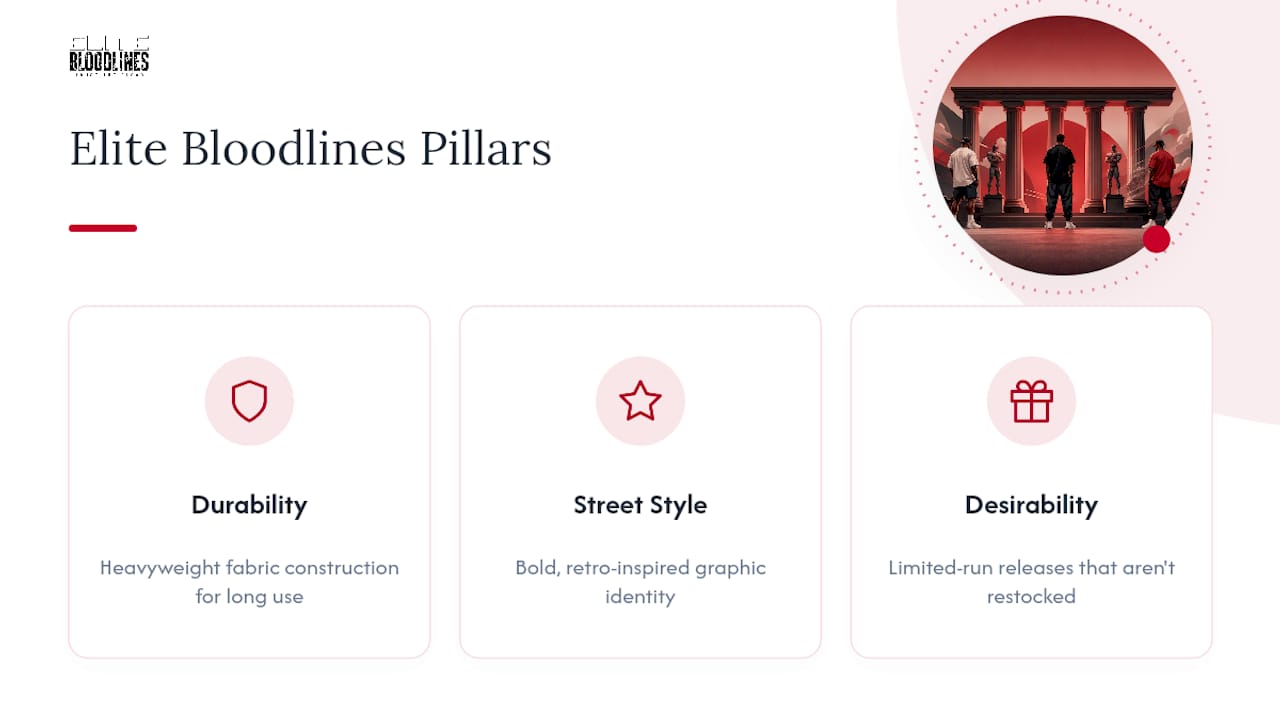
Mapped against the buying criteria covered earlier in this guide, the fit is direct: durability comes from the heavyweight fabric construction, street style comes from the bold graphic identity, and desirability comes from the limited-run model itself. Readers who want a deeper look at specific product lines can check the breakdown on durable workout lifestyle clothing built to last for more on the construction side of that equation.
This guide is written and maintained under the Elite Bloodlines editorial byline of Michael, whose perspective closes out the article below.
Is Gym Streetwear Actually Sustainable?
Sustainability in gym streetwear is still catching up to the pace of the drop culture that drives the category. Heavyweight cotton blends, the fabric family that gives streetwear its signature drape and durability, generally have a smaller environmental footprint over a garment’s lifetime than ultra-cheap synthetic basics that get replaced every few months. A tee that survives three years of regular wear and washing does less environmental damage than three thin tees that each fail within a year, even before factoring in dye processes or shipping.
Limited-run production models, the kind built into brands like Elite Bloodlines, carry a sustainability argument that often gets overlooked: producing to a fixed, smaller run reduces the overstock and unsold inventory problem that plagues mass-market apparel, where unsold garments frequently end up discarded rather than worn. That’s a structural difference from brands that manufacture continuously and mark down excess stock at the end of a season.
Ethical production in this category typically means transparency about where and how a garment is made, fair labor conditions in manufacturing, and a preference for durable construction over disposable fast-fashion cycles. When you’re comparing gym streetwear brands, treat a brand’s willingness to talk specifically about fabric sourcing and production runs as a more useful signal than a general sustainability claim with no detail behind it.
What Fabric Technology Actually Improves Performance?
Fabric innovation in gym streetwear tends to move in one of two directions: making synthetic performance fabrics feel less like activewear, or making natural fiber blends perform closer to synthetic technical gear. Both approaches are chasing the same goal, a fabric that survives a training session and still looks like streetwear once you’re out the door.
Moisture-wicking treatments applied to cotton and cotton-blend fabrics are one of the more useful recent shifts, since they let a heavyweight tee keep its street-appropriate weight and drape while cutting down on the sweat retention that used to be cotton’s biggest weakness for gym use. Reinforced stitching techniques, particularly at stress points like underarms and the neckline, have also moved from purely performance-brand territory into streetwear construction, extending the life of heavyweight graphic tees that see frequent wear.
Athlete-tested claims are worth paying attention to here. Guides evaluating men’s workout apparel increasingly cite testing by trainers and athletes as a credibility marker for durability and performance claims, and that same testing logic extends to how performance-tracking tools, like those used in athletic performance measurement, have pushed apparel brands to back up fabric claims with something closer to real data rather than marketing language alone.
Where Can You Buy Gym Streetwear Brands?
Most gym streetwear today moves through direct-to-consumer online channels rather than traditional retail racks, and that shift matters more than it sounds. Brands selling directly through their own websites control the drop timing, the exclusivity of a given run, and the full sizing and return experience, instead of handing that off to a third-party retailer with its own markup and its own limited size runs.
Certain gym streetwear brands operate exclusively as direct-to-consumer online retailers, which means every collection, from core staples to limited drops, ships from one controlled source rather than getting split across inconsistent retail inventory. That structure is part of why limited-run pieces genuinely sell out rather than quietly reappearing on a clearance rack six months later.
When shopping any gym streetwear brand online, check three things before checkout: whether the size chart gives real measurements, whether the return window is clearly stated, and whether a “limited drop” label actually means limited or if it restocks anyway. A brand that’s transparent about all three tends to be a brand worth trusting with your next order, and it’s a fast way to filter serious apparel makers from brands leaning purely on marketing language.
Ready to Build Your Gym-to-Street Wardrobe?
Elite Bloodlines’ EB Graphic Tees collection is the fastest way to put everything in this guide into practice, heavyweight fabric, bold retro-inspired art, and a fit built to move from a training session straight into the rest of your day.
 Suggested image: a lifestyle shot of the EB Graphic Tees collection, 1200x800px landscape, showing the heavyweight fabric texture and oversized fit in a gym-to-street setting.
If you want the exclusivity angle specifically, the EB Limited Drop “Beauty in the Blood” 9 oz. heavyweight tee delivers the fabric weight and construction covered earlier in this guide, in a run that won’t restock once it sells out. For readers prioritizing pure durability for heavy rotation, the Core Line 11.8 oz Ultra Deluxe heavyweight hand-frayed tee sits at the top end of the fabric-weight spectrum discussed in the buying guide. Own Your DNA. Shop the drop before it’s gone.
An Editor’s Take on the Gym Streetwear Boom
Most gym streetwear coverage treats style and performance like they’re in tension, as if a bold graphic automatically means a shirt won’t survive leg day. That framing is outdated. The real divide isn’t between style and function, it’s between brands that engineer for both and brands that print a logo on a stock blank and call it activewear.
What gets underestimated is how much fabric weight alone tells you about a brand’s priorities. A brand chasing volume sells thin, cheap tees because margin depends on turnover. A brand chasing loyalty, the way Elite Bloodlines does with limited-run heavyweight drops, bets on scarcity and construction quality instead of constant restocks. That’s a fundamentally different business, and it produces a fundamentally different product.
If you’re building a wardrobe that needs to survive a training session and still hold up on the street, start with fabric weight and construction, then let the graphic decide which drop you buy. Explore the graphic tee collection or read the styling guide for outfit-specific breakdowns.
— Michael
Sources
This guide draws on editorial testing standards from Women’s Health’s workout clothing guide, Men’s Health’s trainer-tested apparel roundup, and Business Insider’s workout clothes guide for men.
For deeper product guidance, read men’s gym streetwear that hits hard, women’s streetwear activewear, and the best gym shorts for men.
- 10 Best Workout Clothes for Women, Tested by Fitness Experts
- Best Workout Clothes for Men, Tested — Editors and Trainers
- The Best Workout Clothes for Men