

Metal Gym Clothes That Actually Hit Hard
Metal gym clothes are fitness apparel designed to merge the bold, aggressive visuals of heavy metal culture with high-quality, functional fabrics built for intense exercise. This is not a niche trend. Serious lifters and metalheads alike choose this category for its unique blend of music culture and hardcore lifting symbolism. The category sits at the intersection of music-themed activewear and performance gear, and it demands both. You want something that survives a deadlift session and still looks like it belongs on a concert floor.
What makes metal gym clothes worth wearing?
Metal gym clothes are defined by two things: fabric that performs and graphics that mean something. Most fitness apparel in this space targets adults who train hard and want their gear to reflect that intensity. The aesthetic draws from heavy metal album art, powerlifting culture, and streetwear, creating a look that is unmistakably bold. Elitebloodlines builds its entire identity around this overlap, producing limited-run pieces that carry real weight in both design and construction.
The demand for this category is not accidental. Customers choose these clothes because generic gym wear feels anonymous. A plain gray tee says nothing. A heavyweight graphic tee with a skeleton mid-deadlift says everything about who you are and how you train. That identity function is as real as the moisture management or the double-stitched seams.
What fabrics and technologies go into heavy metal fitness wear?
Fabric is where performance lives. Heavy metal gym clothes typically use 100% combed and ringspun cotton, polyester blends, or triblends that combine polyester, cotton, and rayon. Each construction choice produces a different feel and performance profile. Fabric weights in this category generally run from about 3.8 to 5.3 oz/yd², with heavier weights delivering more structure and durability.
Here is what each fabric type actually does for you:
- Combed ringspun cotton removes short fibers and straightens the remaining ones, producing a noticeably softer, stronger fabric than standard cotton.
- Polyester blends add moisture-wicking capability, pulling sweat away from your skin during high-intensity sets.
- Triblends combine the softness of rayon, the durability of polyester, and the breathability of cotton into one fabric with a vintage drape.
- Air-jet spun yarns reduce pilling and maintain softness through repeated washing, which matters when you train five days a week.
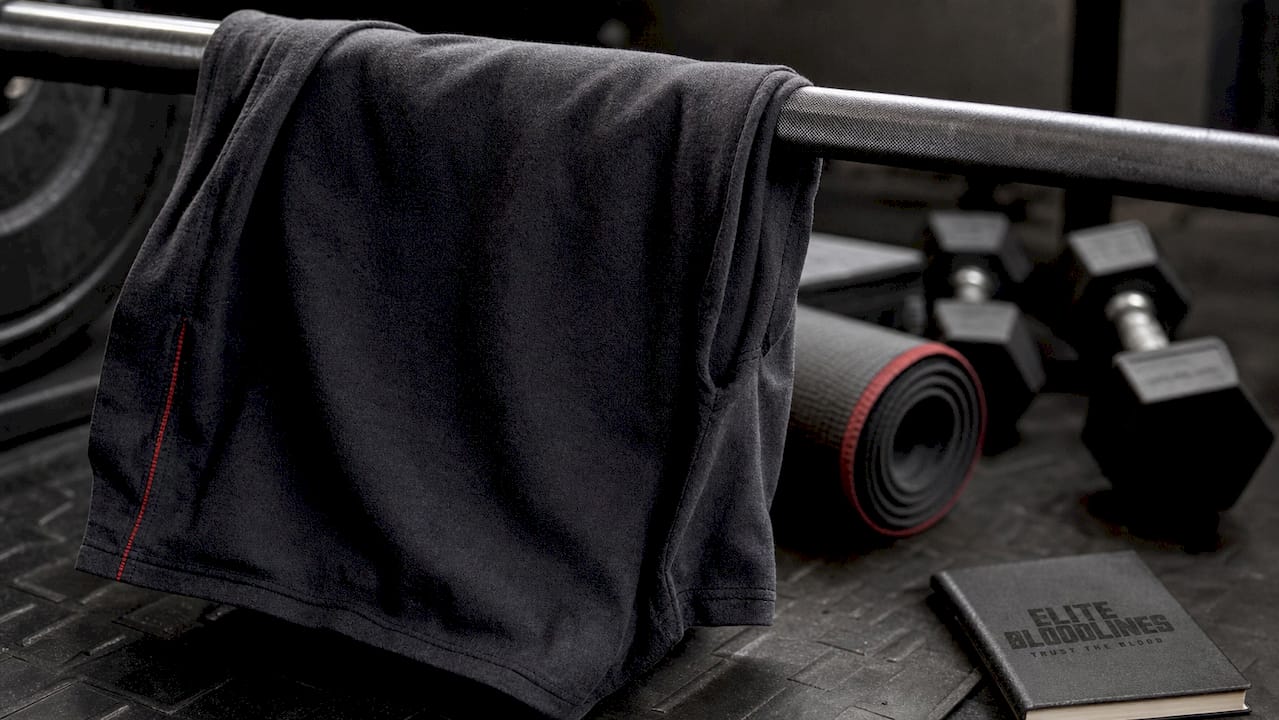
Construction details separate durable gym clothing from disposable fast fashion. Double stitching and side seams reinforce stress points and prevent the garment from twisting or warping after repeated washes. Athletic rib knit collars hold their shape under the strain of pulling a shirt over your head post-workout. These are not marketing details. They are the difference between a tee that lasts two years and one that falls apart in two months.
Pro Tip: Wash heavy cotton gym tees inside out in cold water. This protects the graphic print and slows fabric breakdown at the seams.
How does heavy metal culture shape the design of gym clothes?
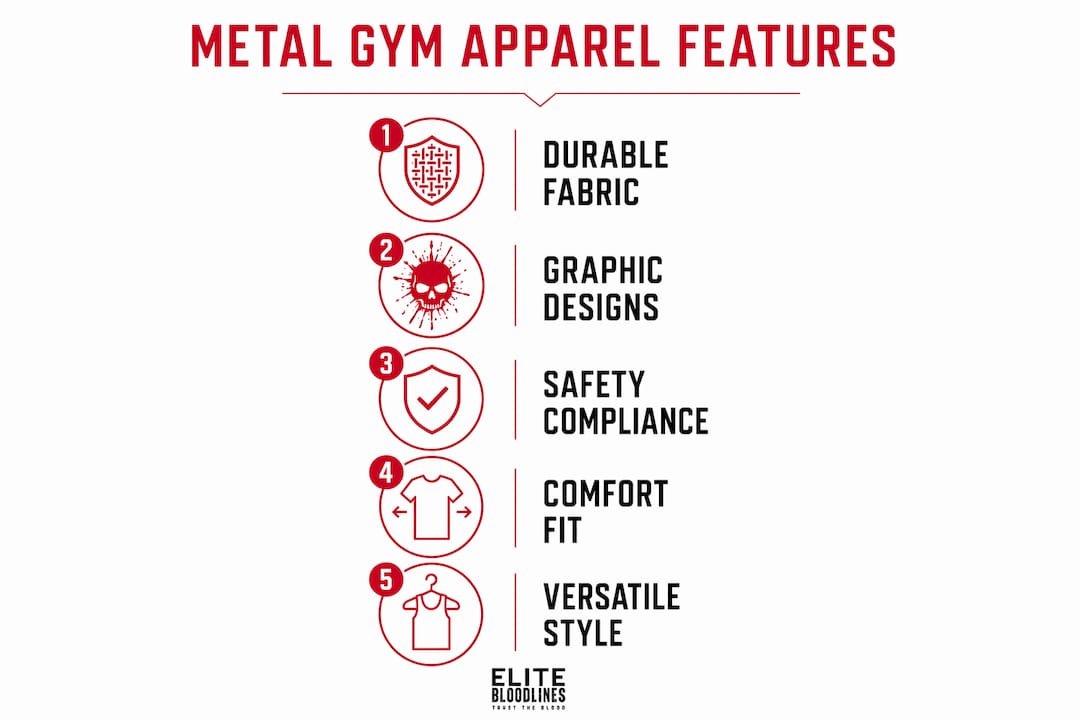
The visual language of heavy metal is specific and intentional. Graphic designs in this category feature skeletons, skulls, fire, and lightning motifs drawn directly from heavy metal album art and powerlifting culture. These are not random images. They carry meaning rooted in themes of mortality, strength, and defiance that resonate with people who train with that same mindset.
The most common design motifs in graphic fitness apparel include:
- Skeleton figures mid-lift (deadlifts, squats, bench press) that connect the music aesthetic directly to gym culture
- Bold typography using blackletter or distressed fonts that echo classic metal band logos
- Dark color palettes built around black, charcoal, deep red, and washed gray
- Fire and lightning imagery that signals intensity and raw power
- Oversized back prints that turn the garment into a statement piece visible across the gym floor
The connection between heavy metal music and strength training runs deeper than aesthetics. Both cultures celebrate pushing past limits, rejecting comfort, and committing to something most people find too extreme. Wearing gym clothes for metal fans is a declaration of that shared mindset. Elitebloodlines leans into this directly, treating each design as a piece of identity rather than a product.
What safety and compliance standards apply to metal gym apparel?
Quality gym clothing is not just about looks. Metal gym clothes meet strict safety standards including EU flammability requirements and restrictions on hazardous substances such as lead, cadmium, and phthalates. The General Product Safety Regulation (GPSR) governs these requirements and applies to apparel sold across consumer markets. Reputable brands comply with GPSR and often back their products with a two-year warranty.
“Safety compliance in apparel is not optional. Restrictions on lead, cadmium, and phthalates protect consumers from long-term chemical exposure through skin contact. Brands that meet GPSR standards demonstrate a commitment to quality that goes beyond the graphic on the front.”
| Standard | What it covers | Why it matters |
|---|---|---|
| GPSR (General Product Safety Regulation) | Overall consumer product safety | Ensures the garment is safe for regular use |
| Flammability requirements | Fabric burn rate and behavior | Protects wearers in environments with heat exposure |
| Lead and cadmium limits | Heavy metal content in dyes and hardware | Prevents toxic exposure through skin contact |
| Phthalate restrictions | Plasticizers in prints and coatings | Reduces endocrine-disrupting chemical exposure |
Compliance matters for two reasons. First, it protects you as a consumer. Second, it signals that the brand takes production seriously. A brand cutting corners on chemical safety is almost certainly cutting corners on fabric quality and construction too.
How to style metal workout apparel for the gym and the street
Metal-inspired sportswear is built for versatility. The best pieces move from a squat rack to a coffee shop without looking out of place. The key is treating the graphic tee as the anchor of the outfit and building everything else around it.
-
For the gym: Pair an oversized heavyweight tee with fitted training shorts or tapered joggers. The contrast between a loose top and structured bottoms keeps the look intentional rather than sloppy. Dark colors on the bottom let the graphic do the work.
-
For streetwear: Layer a metal tee under an open flannel or a zip-up hoodie. This softens the intensity of the graphic while keeping the aesthetic intact. Black denim or cargo pants complete the look without competing with the shirt.
-
For colder training sessions: A crewneck sweatshirt with a metal graphic works as both a warm-up layer and a standalone piece. Wear it over a base layer during warm-up, then strip down as your body temperature rises.
-
Color coordination: Stick to a two-color rule. If the graphic is complex, keep the rest of the outfit in neutrals. Black, white, and charcoal are your defaults. Avoid matching graphic colors to other pieces unless the palette is simple.
-
Garment care: Wash in cold water, tumble dry low, and never iron directly over a printed graphic. This preserves both the fabric structure and the print quality through hundreds of washes.
Pro Tip: Oversized fits photograph better and feel more comfortable during upper body movements like overhead press and pull-ups. Size up one from your usual fit for the best result.
The streetwear activewear hybrid approach works because it removes the need to change between the gym and the rest of your day. One strong piece carries the whole look. Limited-edition, on-demand production reduces overproduction and waste, which means the pieces you buy are less likely to show up on everyone else at the gym. That exclusivity is part of the appeal.
Key Takeaways
Metal gym clothes deliver the most value when fabric quality, design intent, and safety compliance all align in a single garment built for both performance and identity.
| Point | Details |
|---|---|
| Fabric weight drives durability | Choose fabrics in the 3.8–5.3 oz/yd² range for structure that holds up through heavy training. |
| Construction details matter | Double stitching and side seams prevent warping and extend garment life significantly. |
| Design carries meaning | Skull, skeleton, and fire motifs connect heavy metal culture to the intensity of strength training. |
| Safety compliance is non-negotiable | GPSR-compliant brands restrict lead, cadmium, and phthalates, protecting you with every wear. |
| Versatility is built in | Oversized graphic tees style cleanly from the gym floor to everyday streetwear with minimal effort. |
Why I think most gym apparel gets this completely wrong
Most gym apparel brands treat clothing as a utility. They optimize for moisture management and call it done. The result is a sea of identical compression tees and neon shorts that say absolutely nothing about the person wearing them.
What I have noticed training in metal-inspired gear is that the clothing changes how you show up. Putting on a heavyweight tee with a skeleton deadlifting 500 pounds is not a costume choice. It is a signal to yourself. You are not here to go through the motions. That psychological function is real, and most mainstream fitness brands completely ignore it.
The motivational power of gym clothing is underrated. Identity-driven apparel creates a feedback loop. You wear something that reflects your values, you train harder, and the gear becomes associated with your best sessions. That is not marketing. That is behavioral psychology.
My one honest caution: not all metal gym apparel is built equally. Some brands sell the aesthetic without the construction. A thin, poorly printed tee with a skull on it is not the same as a 9 oz. heavyweight piece with double-stitched seams and a GPSR-compliant print. Buy for the build first. The graphic is the bonus.
— Michael
Elitebloodlines gear built for people who train with intent
Elitebloodlines produces heavyweight gym apparel for people who refuse to wear something forgettable. Every piece in the collection is built from premium fabrics with construction details that hold up through serious training.
The EB Core Line Oversized Heavyweight Tee delivers a large back print on a structured heavyweight base, exactly the kind of piece that works as hard as you do. For something rarer, the limited drop collections feature exclusive designs that sell out and do not come back. If your gym wear should reflect who you actually are, Elitebloodlines is where you start.
FAQ
What are metal gym clothes made of?
Metal gym clothes typically use combed ringspun cotton, polyester blends, or triblends. Fabric weights range from about 3.8 to 5.3 oz/yd², with heavier weights offering more durability and structure.
Are metal gym clothes safe to wear?
Reputable metal gym apparel brands comply with the General Product Safety Regulation (GPSR), which restricts hazardous substances like lead, cadmium, and phthalates in fabrics and prints.
Can you wear metal gym clothes outside the gym?
Oversized graphic tees in this category style easily as streetwear. Pair with dark denim or cargo pants and layer with a flannel or hoodie for a complete off-gym look.
What design motifs define heavy metal fitness wear?
Skeleton figures mid-lift, skull graphics, fire and lightning imagery, and bold blackletter typography are the most common motifs. These visuals connect heavy metal album art directly to powerlifting culture.
Why do limited-edition gym clothes cost more?
On-demand and limited-run production reduces overproduction and inventory waste. That production model costs more per unit but results in higher-quality, more exclusive pieces that are not mass-produced.