

What Moisture Wicking Means and Why It Actually Matters
Moisture-wicking fabric moves sweat away from your skin to the outer surface so it can evaporate quickly, keeping you drier and cooler. The mechanism behind it is capillary action, a physical process that pulls liquid through tiny channels in the fiber and yarn structure. That’s the whole concept in one line. Everything below explains why some shirts deliver on that promise and others just call themselves “performance wear” without earning it.
TL;DR:
- Effective moisture-wicking fabric combines hydrophobic inner layers with hydrophilic outer layers to optimize sweat transport through both in-plane and transplanar movement.
- Polyester and nylon are the top synthetic fibers for wicking, especially when engineered with specific cross-section geometries, while natural fibers like merino wool offer odor resistance with slower drying.
- Properly constructed garments with engineered yarns outperform plain fabrics, and testing techniques like water-drop and drying speed confirm real-world performance beyond marketing claims.
- Washing practices, especially avoiding fabric softeners, are crucial to maintain the fabric’s internal micro-channels and sustain its moisture management ability over time.
- True moisture-wicking performance depends on fiber composition, fabric construction, and fit, not just labels, making careful inspection and testing essential before purchase or use.
Table of Contents
- What Moisture-Wicking Fabric Actually Means
- Which Fabrics Actually Wick Moisture
- Real Benefits of Moisture-Wicking Gym Clothes
- How to Tell If a Garment Really Wicks
- Washing Tips That Keep Wicking Fabric Working
- The Science Behind Push-Pull Fabric Design
- What Actually Matters When You’re Buying Wicking Gear
- Sources
What Moisture-Wicking Fabric Actually Means
Moisture management is the technical term textile engineers use for what happens when sweat leaves your skin and travels through fabric to evaporate on the outside. The process runs on capillary action, the same force that pulls water up a paper towel. Adhesion (liquid sticking to fiber surfaces) and cohesion (liquid molecules sticking to each other) work together to drag moisture through narrow gaps between fibers, against gravity if needed.
Fiber choice decides how well that process runs. Hydrophobic fibers repel water and push it along their surface instead of soaking it in. Hydrophilic fibers absorb water into their structure. Real wicking fabric usually pairs the two: a hydrophobic layer near your skin shoves sweat outward, while a more hydrophilic outer layer spreads it wide so it evaporates fast. Textile designers have called this transport effect a set of “tiny water slides” built into the yarn itself.
Direction matters here too. In-plane wicking moves moisture sideways across the fabric surface. Transplanar wicking pushes it straight through the fabric’s thickness, from the inner side touching your skin to the outer side facing the air. A shirt needs both to work well. In-plane spread without transplanar movement just leaves a damp patch sitting against your skin longer.
- Capillary action pulls liquid through microscopic gaps, not gravity or absorption
- Hydrophobic inner layers repel and push moisture rather than soaking it up
- In-plane wicking spreads moisture sideways for faster surface evaporation
- Transplanar wicking pushes moisture through the fabric to the outside
Moisture regain is the metric textile labs use to quantify how much water a fiber holds. A fabric that weighs 100 grams dry and 110 grams saturated has a 10 percent moisture regain. Lower regain generally means faster drying, but engineered yarn geometry matters just as much as the raw fiber’s chemistry.
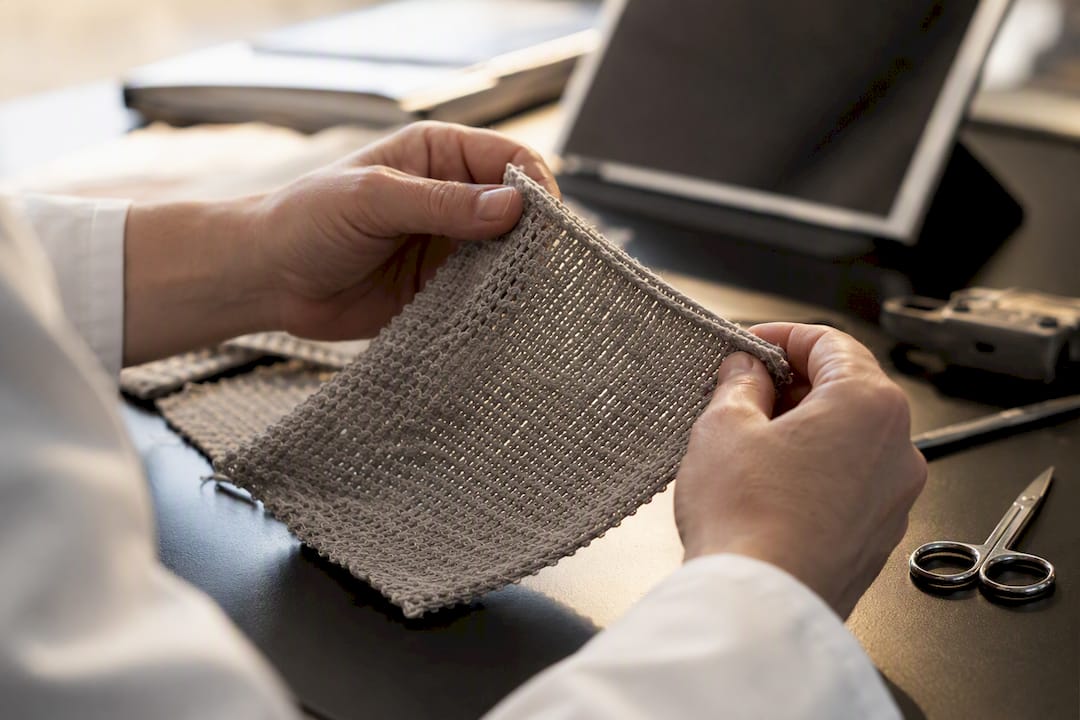
Yarn shape plays a bigger role than most shoppers realize. Manufacturers engineer noncircular fiber cross-sections instead of standard round fibers, creating micro-channels between strands that act like plumbing for sweat. Round fibers pack tighter and leave fewer paths for moisture to travel.
Which Fabrics Actually Wick Moisture
Not every synthetic performs the same, and not every natural fiber fails. Here’s how the main players stack up.
Polyester dominates gym apparel because its petroleum-based structure is naturally hydrophobic. Brands typically add chemical finishes or weave it with engineered cross-sections to push wicking performance further, which is why two polyester shirts can behave completely differently depending on construction quality. Elitebloodlines builds its heavyweight tees and gym pieces around fabric blends chosen for exactly this reason: a shirt that looks bold needs to perform when you’re actually training in it, and you can compare polyester against cotton to see how differently the two hold up under real wear.
Nylon brings more stretch than polyester and a slightly different polarity balance, which makes it a common choice for compression gear and leggings where fit and moisture control both matter.
Polypropylene shows up less often in mainstream apparel but performs well in cold-weather base layers, since it’s among the most hydrophobic fibers available and dries fast in low-humidity conditions.
Merino wool is the standout natural option. It manages moisture while resisting odor better than synthetics, which is why textile experts point to it as a strong natural alternative for people who want wicking performance without synthetic fibers against their skin.
- Polyester: the industry standard, enhanced by finishes and weave structure
- Nylon: stretch plus solid moisture transport, common in compression wear
- Polypropylene: highly hydrophobic, suited to cold and dry climates
- Merino wool: natural, odor-resistant, slower drying than synthetics
- Blends with engineered yarn cross-sections: often outperform single-fiber fabrics
Cotton, treated or not, remains the outlier in fabric performance; for a detailed comparison, see which fabric is best for you. It absorbs water into its fiber structure instead of pushing it outward, which is the opposite of wicking behavior.
Real Benefits of Moisture-Wicking Gym Clothes
Sweat that evaporates fast cools you faster. That’s the core payoff, and it’s backed by exercise physiology research linking efficient sweat evaporation to better heat dissipation during physical activity. Less heat strain means you push harder, longer, before your body starts working against you.
- Faster evaporative cooling during training or high heat
- Less fabric clinging to skin, which cuts down on chafing during long sessions
- Reduced bacterial growth, since quicker drying limits the damp environment odor-causing bacteria need
- Faster drying overall, useful for travel and multi-day wear without laundry access
None of this makes wicking fabric waterproof. Wicking moves moisture through fabric to evaporate it; waterproofing blocks liquid from passing through at all. A heavy downpour will soak through a wicking shirt just fine, because the two properties solve different problems entirely.
Pro Tip: Layer a wicking base layer under an insulating or weatherproof outer shell for cold, wet conditions. Wicking alone won’t keep you warm or dry when the weather turns against you.
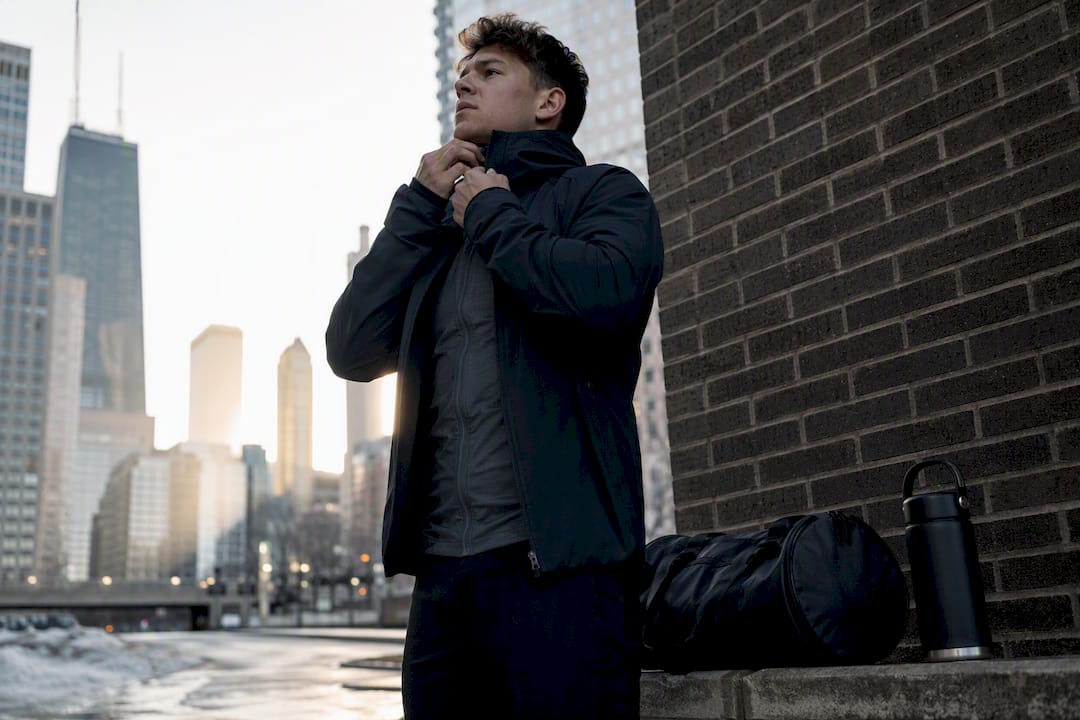
If you’re shopping for training pieces, gym shirts built around wicking fabric hold up better across repeated hard sessions than cotton alternatives that soak through and stay heavy.
How to Tell If a Garment Really Wicks
Marketing copy overstates wicking claims constantly. Here’s how to check for yourself before you buy.
- Read the fiber content tag first. Polyester, nylon, or polypropylene paired with language like “moisture management” or “performance fabric” is a real signal. A blank cotton tag with a wicking claim slapped on the packaging is not.
- Recognize engineered tech names for what they are. Names like Dri-FIT represent specific polyester constructions with engineered yarn geometry, not magic. Generic “performance” branding without fiber detail is often just marketing.
- Try the water-drop test at home. Drip a small amount of water on the fabric. A true wicking fabric spreads the drop outward across the surface instead of letting it sit or soak straight through.
- Check drying speed after light exertion. Dampen a small section and see how fast it dries at room temperature. Wicking fabric should feel dry within minutes, not hours.
- Watch for the biggest red flag. Pure cotton labeled “moisture-wicking” with no synthetic blend or finish mentioned anywhere on the tag is almost never telling the truth.
Washing Tips That Keep Wicking Fabric Working
Wicking performance degrades over time, and bad laundry habits speed that up. Skip fabric softener entirely. It coats fibers with a residue that blocks the micro-channels responsible for capillary transport, which quietly kills wicking function wash after wash.
- Wash with mild detergent at the temperature the care label recommends
- Avoid high heat in the dryer, since it can warp synthetic fiber structure
- Air-dry when possible, or tumble-dry on low if you need speed
- Turn garments inside out to reduce pilling and finish wear on the outer surface
Pro Tip: If a shirt that used to dry fast now stays damp, try a detergent formulated for technical fabrics before assuming it’s ruined. Residue buildup from regular detergent is the most common cause of lost performance.
When a garment’s structure has visibly broken down (thinning fabric, stretched-out cuffs, fibers that feel stiff or matted) no detergent brings that back. That’s the point to replace it rather than keep washing around the problem.
The Science Behind Push-Pull Fabric Design
Engineers call the layered approach in most performance fabric a push-pull construction: a hydrophobic layer near your skin repels sweat outward, and a more hydrophilic outer layer spreads it wide so it evaporates. Getting both layers and their pore geometry right is the actual engineering challenge behind every wicking claim you see on a hangtag.
Textile labs measure this with three distinct tests: vertical wicking tracks capillary rise for strap-like fabric sections, horizontal wicking measures spread across a flat surface, and transverse (transplanar) testing simulates how moisture actually moves from the skin side through to the outer surface during wear.
Moisture regain ties all of it together as a number you can compare across fabrics. But lab numbers only tell part of the story. Ambient humidity, garment fit, and how tightly a shirt sits against your skin all shift real-world performance in ways a controlled test can’t fully capture.
What Actually Matters When You’re Buying Wicking Gear
Most retailer copy treats “moisture-wicking” as a marketing badge instead of an engineering outcome, and that’s the gap worth closing. The fiber content tag tells you more truth than any hangtag slogan ever will. Polyester or nylon paired with an actual finish or engineered yarn structure is doing real work; a vague “performance” label on plain cotton is doing none.
The conventional advice, “just buy anything labeled athletic wear,” falls apart the moment you’re three miles into a run in a shirt that’s soaked through and clinging. Fit and construction quality matter as much as fiber choice. A loose weave in the right fiber can underperform a tighter, well-engineered blend.
Prioritize garments built with intention: a real fiber blend, a construction designed for airflow, and fabric weight that matches what you’re actually doing in it. That’s the standard Elitebloodlines builds toward with every drop, heavyweight fabric that still moves moisture the way your training demands. Skip the label theater. Check the tag, run the water test, and buy accordingly.
— Michael
Ready to put the science to work? Elitebloodlines’ current drops feature heavyweight gym and streetwear pieces built on fabric blends chosen for real performance, not just a tag that says “athletic.” The EB Heritage collection is where that construction philosophy shows up most, heavier fabric, engineered for wear that holds up past the first few washes. Trust the blood. Build the wardrobe that backs it up.
Sources
- Don’t Sweat It: How Moisture-Wicking Fabrics Keep You Cool and Dry - inChemistry
- Moisture management - Wikipedia
- PMC article on thermoregulation and cooling
- What Does Moisture-Wicking Mean When It Comes to Gym Clothes? - Men’s Health