

2026 Streetwear Trends: What's Actually Defining the Year
The 2026 streetwear trends that matter most right now come down to three shifts: quiet flex over logomania, intentional silhouettes over random volume, and sustainability as a baseline expectation rather than a selling point. The hype cycle is cooling. What’s replacing it is sharper, more deliberate, and built to last longer than a single drop.
Here’s what’s actually running the game this year:
- Quiet flex and premium basics — muted neutrals like stone, charcoal, and faded olive replacing loud branding
- Oversized but intentional silhouettes — one dominant volume piece balanced with a fitted or structured element
- Hockey jerseys as the new statement silhouette, fueled by the Milano-Cortina 2026 Winter Olympics
- Technical fabrics — Gore-Tex, ripstop, and treated cotton moving from niche techwear into everyday fits
- Y2K nostalgia — Nike Shox, plaid, collegiate graphics, and archive aesthetics still pulling strong search signals
- Sustainability as standard — recycled fabrics, organic cotton, and slow fashion principles shaping what consumers buy
- Social media micro-trends — surrealist graphic tees, kidult aesthetics, and regional scenes going global via TikTok
- Brands like Adidas, Balenciaga, Rick Owens, and Elitebloodlines anchoring the premium end of the market
- Kangol hats and cargo belt bags resurging as functional accessories with serious style weight
The cultural driver underneath all of it: Gen Z is dressing for identity, not approval. That shift changes everything from what brands produce to how consumers spend.
What are the biggest 2026 streetwear fashion trends right now?
Silhouettes: volume with intention
Oversized is still the dominant shape, but the era of throwing on anything baggy and calling it an outfit is over. The strongest streetwear silhouettes in 2026 pair one dominant volume piece with one stabilizing fitted element. Wide-leg or stacked baggy jeans with a cropped jacket. Cargo pants with a boxy hoodie. Relaxed trousers with a heavyweight tee that falls cleanly. The common thread is proportion chosen deliberately, not applied to every piece at once.
Baggy denim has become the default foundation. Wide-leg fits stacking over chunky sneakers, vintage washes, and subtle distressing define everyday looks across American cities. It’s not a trend anymore. It’s the standard silhouette.
Key apparel items driving the year
- Heavyweight graphic tees with minimal front branding and bold back prints. The graphic does less; the fabric weight and cut do more.
- Hockey jerseys replacing soccer jerseys as the boxy statement piece. The boxy, oversized silhouette works as a natural canvas for streetwear graphics, and the 2026 Winter Olympics gave the category a massive cultural push.
- Cargo pants and utility vests in ripstop fabric. Functional, not just aesthetic.
- Layering pieces — lightweight overshirts, technical shells, and utility jackets for season transitions.
- Matching sweatsuits and oversized hoodies in premium structured fabrics, bridging comfort and polish.
Fabrics and texture
Fabric character now holds more weight than bold graphics. Textured and treated materials — faded fleece, enzyme-washed cotton, brushed jersey, crinkled nylon — give basic pieces enough personality to stand alone. Techwear elements like Gore-Tex, ripstop, and water-resistant treatments have moved from outdoor subcultures into mainstream urban fashion. Wearing a technical shell over a heavyweight tee is now a standard layering move, not a niche one.
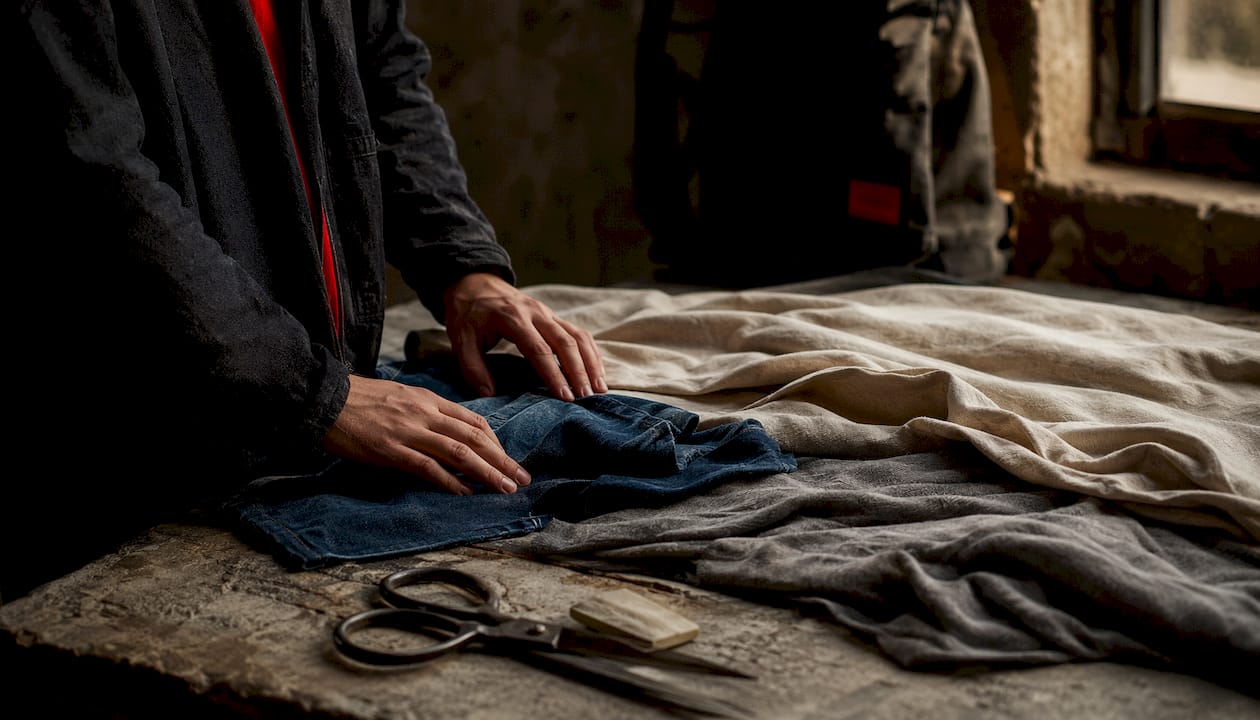
Sustainability has shifted from optional to expected. Recycled fabrics, organic cotton, and slow fashion principles now shape purchasing decisions at every price point. Consumers want pieces that last and can be reworn across multiple fits.
Color and pattern
Muted neutrals dominate the everyday wardrobe — stone, charcoal, and faded olive are the foundation. But bold is building momentum. Luminous blue, bold color blocking, carmine red sports shorts, and contrast-collared ringer tees are pushing back against the all-neutral aesthetic. Bright camouflage prints and unexpected color combinations are showing up more on American streets as the all-beige era slowly fades.
Brands anchoring the premium tier
Balenciaga and Rick Owens continue to set the architectural edge of the market, pushing exaggerated proportions and dark, deconstructed silhouettes that trickle into mainstream streetwear within two seasons. Adidas owns the terrace shoe lane with the Samba, Gazelle, and Handball Spezial, and is pushing animal-print releases across all three silhouettes for 2026. Kangol hats are back as a serious accessory, not a throwback gimmick. Cargo belt bags have evolved from utility afterthought to a core part of the silhouette.
Elitebloodlines sits in the premium basics tier where the real action is in 2026. Heavyweight streetwear basics built around authentic grit and bold design are exactly what the market is moving toward. Limited-run collections, oversized fits, and bold graphic tees built for rewear value align directly with where consumer priorities have landed this year.
Pro Tip: When building a 2026 streetwear fit, start with one heavyweight tee or hoodie as the anchor, then choose your bottom and layer based on contrast. Baggy bottom with a structured layer on top. Fitted bottom with an oversized top. Never both baggy at once unless the proportions are extremely deliberate.
How social media is shaping streetwear micro-trends in 2026
TikTok and Instagram aren’t just amplifying trends anymore. They’re incubating entirely new subcultures within streetwear, often from the ground up. A silhouette can go from niche to oversaturated in weeks when the right creator picks it up. That speed rewards people who understand the signals early.
The most visible social media-driven micro-trends right now:
- Surrealist graphic tees — distorted textures, collage-style compositions, and anti-AI aesthetics. Consumers want human touches that provoke rather than decorate. Back print dominance is the most visible shift: minimal front, bold back.
- Kidult aesthetics — oversized buttons, puffed silhouettes, pixel graphics, and video-game-inspired prints. A direct pushback against clean minimalism, growing fast among younger American consumers.
- Y2K’s final form — archive aesthetics, TLOP-era references, Fear of God flannels, and early 2000s sportswear styled with modern accents. Nostalgia cycles are shortening.
- Regional scenes going global — Tokyo, Lagos, and London are each producing streetwear rooted in local identity rather than chasing American trends. Lagos brands like WAFFLESNCREAM and Vivendii are gaining international traction. Tokyo’s philosophy centers on personal expression over brand signaling.
Emerging brands are gaining ground entirely through social urgency and community-led marketing. Corteiz, Greedy Unit, and Poliquant built momentum through viral pop-ups, limited drops, and cultural relevance rather than traditional advertising. Greedy Unit out of NYC won the Complex readers’ vote for best streetwear brand of 2025 with 22.7% of votes. Poliquant out of Tokyo sits at the intersection of functional streetwear and militaristic outerwear. These brands prove that community and authenticity now outperform ad spend.
The hyper-personalized styling movement running through social media reinforces this. The best-dressed people on TikTok and Instagram aren’t following trends. They’re referencing artists, historical periods, and cultural moments that mean something to them personally. That’s the real micro-trend: dressing with knowledge, not just access.
How selective consumption is reshaping the streetwear market
Streetwear consumers in 2026 are building cohesive, wearable rotations rather than chasing every drop. The market shows a clear preference for functionality and rewear value over scarcity-driven hype culture. Quality, coherence, and versatility now outrank the thrill of a limited release.
The sneaker market tells the story clearly. Consumers are moving toward retro and general releases that combine accessibility with style, stepping away from risky resale markets. Practical footwear with proven styling value, everyday pairs that work across multiple fits, and accessible alternatives under $200 are gaining ground over exclusivity-driven hype buys.
The starter wardrobe mindset is replacing random trend chasing. Instead of jumping straight into expensive or limited pieces, more shoppers are building from dependable categories: one hoodie with good weight, one oversized tee that lands correctly on the body, one pair of loose denim, one cargo option, one everyday sneaker, and one layer for contrast. That framework produces better-looking fits than a pile of hype receipts.
Streetwear has matured. The audience is better at separating event value from wardrobe value. A piece can be culturally relevant without being impossible to buy.
Gender lines are also loosening. Many current trends — tees, hoodies, denim, workwear jackets, sneakers — are worn across traditional menswear and womenswear categories. The streetwear activewear hybrid is one of the clearest expressions of this: pieces that move from the gym to the street without a costume change.
Pro Tip: Build your rotation around three to five pieces you’ll actually rewear, not around what dropped this week. One heavyweight tee, one reliable hoodie, one pair of baggy denim, one cargo option, and one clean everyday sneaker will take you further than ten hype buys you wear once.
How streetwear and high fashion collabs are evolving in 2026
The luxury-streetwear crossover has matured past the novelty phase. The Supreme x MM6 Maison Margiela Spring 2026 collection dropped in march with 35 pieces, including the first-ever Box Logo zip hoodie and a Schott Leather Jacket with hyper-realistic eagle artwork. Pharrell’s Louis Vuitton FW26 menswear collection moved away from heavy denim toward precision-cut trousers and statement outerwear, including crocodile leather bomber jackets. These aren’t streetwear brands borrowing luxury credibility anymore. They’re genuine creative mergers.
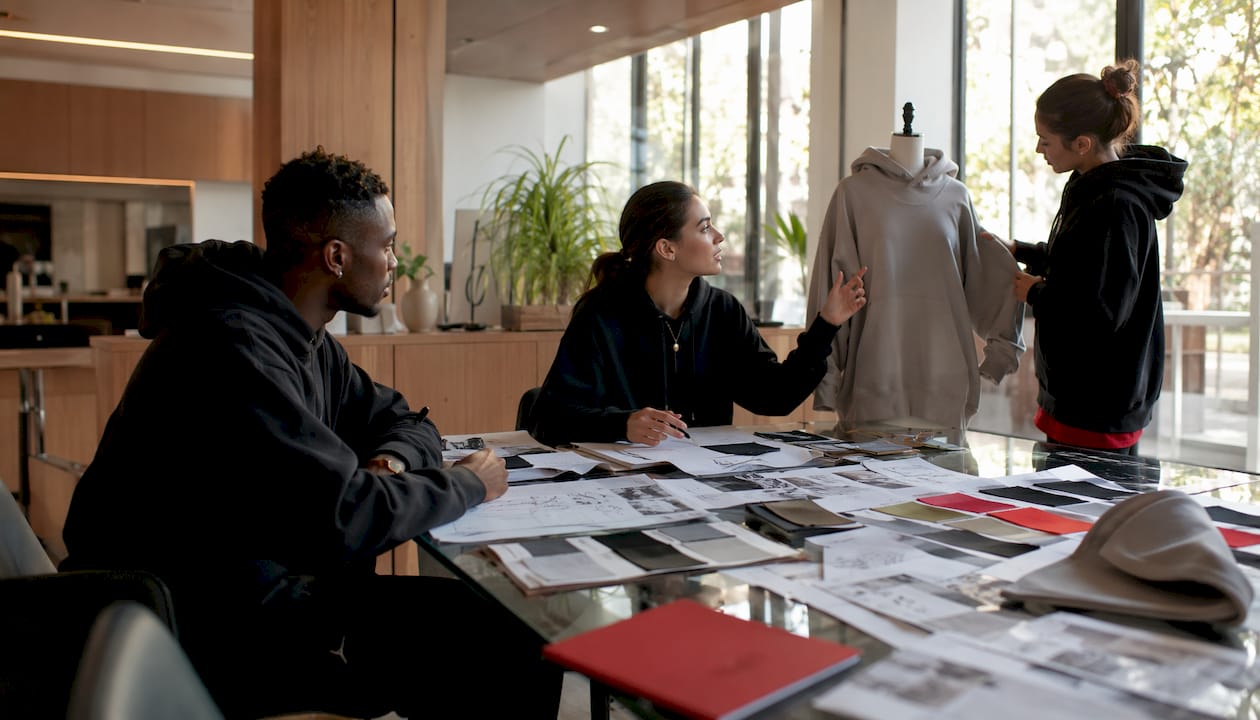
The most interesting collabs in 2026 share a common structure: a streetwear brand with a defined community and a luxury house with craft infrastructure. The result is pieces that carry both cultural weight and construction quality. Consumers who understand this dynamic buy the collab for the story and the build, not just the logo.
Golf streetwear is one of the more unexpected crossover lanes gaining traction. The golf streetwear crossover reflects the same logic as luxury collabs: taking a traditionally formal or niche context and injecting streetwear proportion, graphics, and attitude. It’s a signal of how far streetwear’s influence has spread beyond its original urban context.
Balenciaga continues to push the architectural edge of the collab space, while Rick Owens operates in a lane of his own, producing deconstructed silhouettes that influence proportion trends across the entire market. The brands that win in the collab space are the ones with a clear point of view before the partnership, not the ones borrowing one.
How shifting consumer demographics are changing streetwear styles
Gen Z is now the dominant force in streetwear purchasing, and their priorities are reshaping what brands produce and how they market it. They vote with their money for authenticity, ethical production, and pieces that reflect personal identity rather than brand allegiance. Head-to-toe single-label dressing feels less relevant to this generation than combining pieces with purpose across multiple brands and price points.
Women are a growing and increasingly influential segment of the streetwear market. Oversized silhouettes, cargo fits, and technical layering are being adopted and styled across traditional gender categories, and brands that design with this flexibility in mind are gaining ground. Kids streetwear is also expanding, with younger consumers entering the culture earlier and parents seeking quality pieces that reflect the same aesthetic values as their own wardrobes.
The demographic shift also shows up in how consumers engage with drops. Younger buyers are less impressed by scarcity alone. They want to know the brand’s story, understand the production ethics, and feel a genuine connection to the community around the label. Brands that build that connection through consistent identity and limited-run exclusivity, rather than artificial scarcity, are the ones building real loyalty.
Elitebloodlines speaks directly to this generation. Bold designs, heavyweight quality, and limited-run collections built around authentic identity rather than manufactured hype. That’s the formula the market is rewarding in 2026.
Built for the Bold: Own Your 2026 Streetwear
2026 streetwear rewards the ones who know who they are. Quiet flex. Intentional fits. Premium fabrics that speak before you do. That’s the Bloodline.
Elitebloodlines builds heavyweight graphic tees, oversized fits, and bold limited-run collections for people who refuse to conform. Every piece is crafted for rewear value, authentic identity, and the kind of quality that shows up in the fabric before it shows up in the price tag.
The EB Core Line Oversized Heavyweight Tee delivers the bold back print energy that’s defining 2026 graphic tee culture. The EB Icon Heavyweight Snow Washed Tee brings the textured, lived-in fabric character the market is moving toward. Check the current drops before they’re gone.
Own Your DNA. Trust The Blood. Built For The Bold.
Key Takeaways
The strongest 2026 streetwear trends reward intentional styling, premium fabric quality, and authentic identity over hype-driven scarcity and logo-heavy branding.
| Point | Details |
|---|---|
| Quiet flex dominates | Muted neutrals like stone, charcoal, and faded olive replace loud logomania as the foundation of premium streetwear. |
| Proportion is the skill | Pair one oversized piece with one fitted element; uniform volume across an outfit reads unintentional in 2026. |
| Hockey jerseys lead apparel | The boxy silhouette replaced soccer jerseys as the statement piece, driven by the 2026 Winter Olympics. |
| Sustainability is baseline | Recycled fabrics, organic cotton, and slow fashion principles now shape consumer purchasing at every price point. |
| Rewear value beats hype | Consumers build cohesive rotations around versatile, wearable pieces rather than chasing limited drops. |