

What Is Athleisure Wear? Your 2026 Style Guide
Athleisure wear is a fashion category that fuses athletic apparel with casual everyday clothing, designed for versatility rather than exercise alone. The term officially entered dictionaries as a recognized market sector in 2015, though its roots trace back to 1979. What separates athleisure from a plain gym outfit is intent: these pieces are built to move from a morning workout to a coffee run to a casual Friday at the office without missing a beat. Fabric technology, silhouette, and styling all work together to make that possible. If you have ever worn joggers to brunch and felt completely put together, you already understand what athleisure style is.
What is athleisure wear made of, and what defines it?
Athleisure is engineered for life itself, balancing performance function with polished aesthetics. That balance starts at the fabric level. Technical materials like spandex, nylon, elastane, and moisture-wicking polyester blends give athleisure its signature stretch, breathability, and durability. These fabrics perform under physical stress but also drape cleanly enough to look intentional in a social setting.
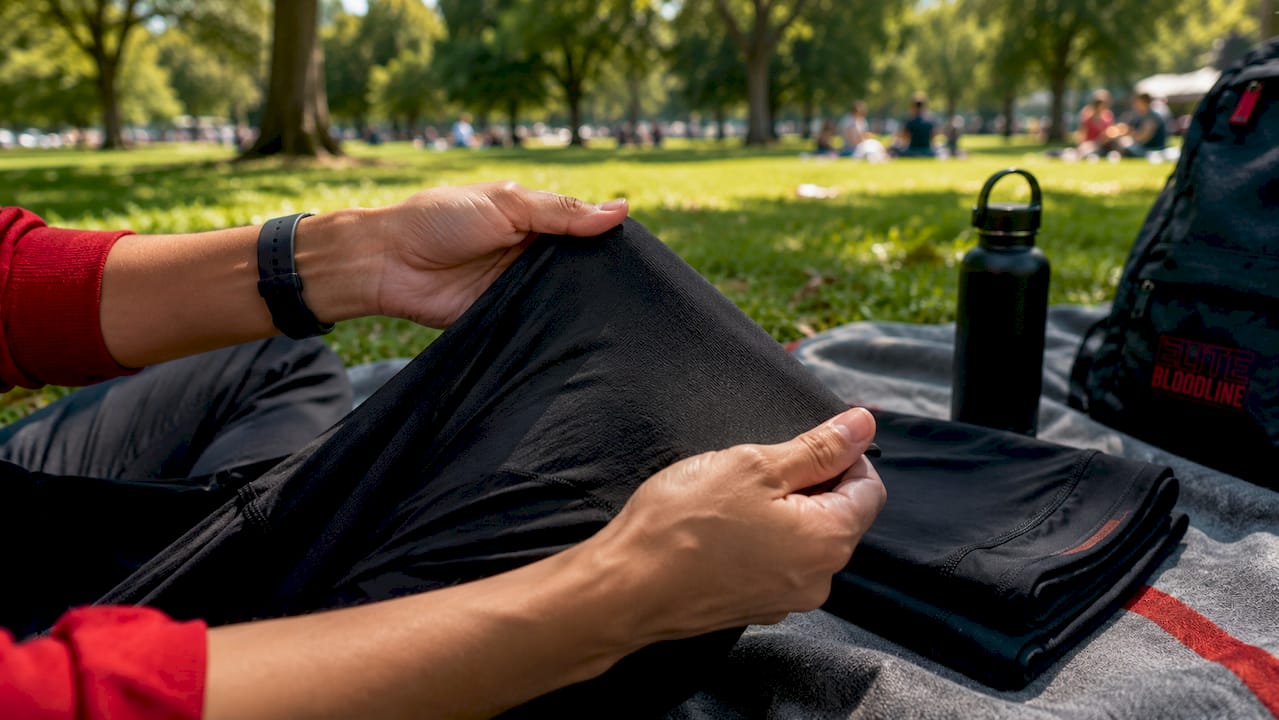
The most common athleisure garments include leggings, joggers, sports bras, zip-up hoodies, oversized tees, and sleek sneakers. Each piece carries a performance DNA but is styled with cleaner lines, neutral or fashion-forward colorways, and refined cuts. The goal is always the same: comfort that does not sacrifice appearance.
| Fabric | Key Benefit | Best Use |
|---|---|---|
| Spandex / Elastane | Four-way stretch, shape retention | Leggings, fitted tops |
| Moisture-wicking polyester | Pulls sweat away from skin | Training, all-day wear |
| Nylon | Lightweight, abrasion-resistant | Joggers, outerwear |
| French terry cotton | Soft, breathable, casual feel | Hoodies, sweatpants |
| Ribbed knit | Structure with stretch | Cuffs, waistbands, layering |
- Comfort: Athleisure prioritizes ease of movement above all else.
- Breathability: Technical fabrics regulate body temperature across activities.
- Durability: These garments hold their shape through repeated wear and washing.
- Aesthetic refinement: Clean silhouettes and intentional design prevent the “just left the gym” look.
Pro Tip: When shopping for athleisure pieces, check the fabric composition label. A blend of at least 10% elastane signals genuine stretch and recovery, not just a soft cotton tee marketed as athletic.
How has athleisure evolved and shaped fashion trends?
Athleisure’s rise from niche category to wardrobe staple accelerated sharply in the mid-2010s. The pandemic pushed it further. When remote work became the norm, comfort-first dressing stopped being a weekend habit and became a daily standard. Active-inspired apparel continued to outperform the general apparel market even as non-active categories declined, which tells you everything about where consumer priorities shifted.
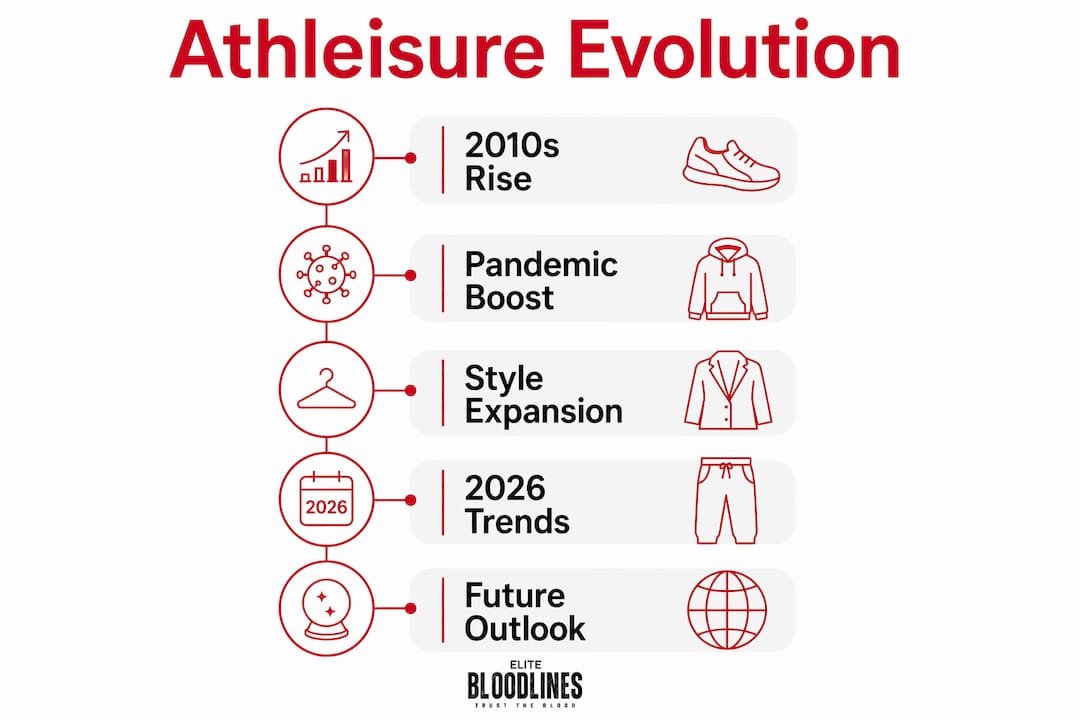
By 2026, athleisure inspiration has moved well beyond leggings and a hoodie. Fashion historian Valerie Steele has noted that athleisure’s integration into everyday dress now mirrors how jeans and T-shirts became wardrobe defaults. It is no longer a trend. It is infrastructure. Brands have responded by expanding into stretch denim, tailored joggers, and hybrid outerwear that blends casual and athletic silhouettes.
The 2026 trend picture is defined by sport-inspired fashion with a personal edge. Pinterest data shows a 276% increase in “baddie tracksuit” searches and an 840% surge in “World Cup jerseys” searches during summer 2026. Those numbers signal that sport aesthetics are driving mainstream fashion, not just fitness culture.
Key 2026 athleisure style trends include:
- Oversized silhouettes paired with fitted base layers for contrast and proportion.
- Jersey and mesh fabrics worn as statement pieces, not just workout gear.
- Tracksuits styled with heels or loafers to create deliberate high-low tension.
- Layering off-kilter combinations to express personal identity rather than a uniform look.
- Bold graphic tees worn under blazers or over long-sleeve base layers.
The 2026 style goal is not a perfect, polished look. It is a confident, personal one.
How does athleisure differ from activewear and streetwear?
Activewear and athleisure are not the same thing, even though they share fabrics and silhouettes. Activewear is optimized for exercise. It prioritizes compression, ventilation, and performance metrics. Athleisure borrows those technical qualities but applies them to style-driven designs meant for life outside the gym.
Streetwear occupies a different lane entirely. It draws from skate culture, hip-hop, and urban fashion, and its primary currency is cultural identity and exclusivity, not performance fabric. Athleisure sits between the two: it carries the comfort and technical credibility of activewear with the visual confidence of streetwear.
| Category | Primary Function | Key Fabrics | Typical Setting |
|---|---|---|---|
| Athleisure | Lifestyle versatility | Spandex, nylon, moisture-wicking blends | Gym to street to casual social |
| Activewear | Exercise performance | Compression fabrics, mesh, DWR-coated nylon | Gym, sport, training |
| Streetwear | Cultural expression | Cotton, fleece, denim | Urban, social, creative spaces |
The clearest way to tell them apart: activewear looks out of place at a restaurant. Athleisure does not. Streetwear thrives in both but does not claim performance credentials.
- Athleisure bridges gym wear and social settings without requiring a wardrobe change.
- Activewear signals “I am working out.” Athleisure signals “I live an active life.”
- Streetwear signals “I know what’s current.” Athleisure and streetwear increasingly overlap, especially in graphic-heavy, oversized formats.
Pro Tip: If you want to know whether a piece is true athleisure or just activewear, ask one question: would you wear it to meet a friend for lunch without changing? If yes, it qualifies.
How can you style athleisure for any occasion?
Styling athleisure well requires one core principle: deliberate layering and mixing fabric textures are what separate a polished outfit from an accidental gym look. Pairing a shiny technical fabric with a matte knit adds visual depth. Adding a structured outer layer signals intention. The outfit stops reading as “I forgot to change” and starts reading as “I chose this.”
For athleisure outfit inspiration across different settings, follow these steps:
- Start with a technical base. Choose a fitted legging, a moisture-wicking tee, or a clean-cut sports bra as your foundation.
- Add a statement layer. A trench coat, an oversized blazer, or a zip-up hoodie immediately shifts the register from gym to street.
- Mix your textures. Combine shiny technical fabrics with matte cottons to add sophistication and prevent the outfit from reading as unintentional workout gear.
- Choose your footwear with purpose. Clean white sneakers keep it casual. Chunky loafers or ankle boots push the look toward fashion-forward territory. Shoes to wear with athleisure make or break the final impression.
- Accessorize to shift perception. Gold jewelry, a structured handbag, or a cap boosts athleisure’s acceptability in professional and social settings. Accessories signal that the outfit is a choice, not a default.
- Edit for the occasion. For work, lean on tailored joggers and a blazer. For travel, prioritize comfort fabrics and a clean sneaker. For a casual hangout, let the graphic tee carry the look.
For athleisure style inspo that works across age groups, the principle stays consistent: the more intentional the styling, the more versatile the outfit. A 22-year-old and a 40-year-old can both wear joggers and a heavyweight tee. The difference is in how they layer, accessorize, and carry it. Check out how to style gym streetwear for specific outfit builds that apply these principles in practice.
The streetwear activewear hybrid approach is particularly strong right now. Oversized graphic tees worn over fitted base layers, paired with clean joggers and bold sneakers, hit every note: comfort, identity, and style credibility.
Key Takeaways
Athleisure wear succeeds because it combines technical fabric performance with intentional styling, making it the most versatile clothing category in modern fashion.
| Point | Details |
|---|---|
| Core definition | Athleisure fuses athletic fabrics with everyday style for all-day versatility. |
| Fabric matters | Spandex, nylon, and moisture-wicking blends are the foundation of true athleisure. |
| Not the same as activewear | Activewear is built for exercise; athleisure is built for life. |
| Styling is the differentiator | Layering, texture mixing, and accessories elevate athleisure beyond gym wear. |
| Still very much in style | In 2026, sport-inspired fashion drives mainstream trends, not just fitness culture. |
Why athleisure is not going anywhere
I have watched fashion cycles come and go for over a decade. Trends spike, burn bright, and fade. Athleisure has not faded. It has calcified into the wardrobe. That tells me something important: this is not about fashion. It is about how people want to live.
The shift is cultural, not cosmetic. People prioritize wellness, movement, and comfort in ways they did not two decades ago. Clothing that supports that lifestyle without sacrificing self-expression is not a trend. It is a permanent recalibration. Valerie Steele’s comparison to jeans is apt. Nobody asks “are jeans still in style?” anymore. We are approaching that same moment with athleisure.
What I find most interesting is the fabric innovation angle. The gap between what a technical athletic fabric can do and what a fashion fabric looks like has nearly closed. You can now wear a garment that performs like a running tight and looks like a tailored trouser. That convergence is not slowing down. It is accelerating.
My honest advice: stop treating athleisure as a category to “dress up.” Treat it as a foundation. Build your outfit around the comfort and performance of the base, then add the fashion layer on top. That is the mindset shift that makes athleisure work for every occasion, not just the casual ones.
— Michael
Elitebloodlines: built for the bold, styled for the street
Athleisure lives at the intersection of performance and identity. That is exactly where Elitebloodlines operates.

The EB Core Line Oversized Heavyweight Tee is built for the kind of person who refuses to choose between comfort and presence. Heavyweight construction, bold back graphics, and an oversized silhouette make it the perfect athleisure anchor piece. Layer it over a fitted base, throw on clean joggers, and you have a complete look with zero compromise. The current drops collection carries limited-run pieces designed for those who want their wardrobe to say something. Own Your DNA. Trust The Blood. Greatness Runs Deep.
FAQ
What is athleisure wear, exactly?
Athleisure wear is a clothing category that combines high-performance athletic fabrics with casual, everyday style. The term entered dictionaries as a recognized market sector in 2015 and describes garments designed for versatility across gym, street, and social settings.
Is athleisure still in style in 2026?
Athleisure is not just still in style. It has become a wardrobe standard. Pinterest data from summer 2026 shows an 840% surge in sport-inspired fashion searches, confirming that athletic aesthetics are driving mainstream fashion trends.
What is the difference between athleisure and activewear?
Activewear is optimized for exercise performance, using compression and ventilation-focused fabrics. Athleisure borrows those technical qualities but applies them to style-driven designs meant for everyday life beyond the gym.
What shoes work best with athleisure outfits?
Clean white sneakers keep athleisure casual and accessible. Chunky loafers, ankle boots, or fashion-forward trainers push the look toward a more polished, street-style direction depending on the occasion.
How do you elevate an athleisure outfit?
Layer a structured piece like a blazer or trench coat over your athletic base, mix shiny technical fabrics with matte knits, and add accessories like gold jewelry or a structured bag. Those three moves shift any athleisure look from gym-ready to street-ready.