

Winter Streetwear Layers: 7 Formulas That Keep the Fit
The winning move for winter streetwear layers is simple: a slim thermal base, a visible mid layer with real presence, and an outer built with enough internal room to protect the silhouette underneath it. That’s the three-layer rule in action, and it’s the difference between looking bundled and looking dressed. MadeByCOVL frames this same structure as the backbone of streetwear-specific cold-weather dressing, and it holds up whether you’re working with a puffer, an overcoat, or a bomber.
Here’s the breakdown, layer by layer:
- Base: A thin thermal or merino tee, worn close to the body for warmth without bulk.
- Mid: A heavyweight hoodie, knit sweater, or bomber, the piece that actually defines the look.
- Outer: A puffer, parka, or overcoat cut with room to spare, so it drapes over the mid layer instead of compressing it.
Three formulas to start with:
- Puffer over hoodie: a thermal base, a heavyweight hoodie, and an oversized puffer.
- Jacket sandwich: thermal tee, denim or moto jacket, longer wool overcoat.
- Knit stack: merino base, chunky knit sweater, cropped bomber or trench.
Key Takeaways
Winter streetwear layers work best when a slim thermal base, a heavyweight mid layer, and a roomy outer each do their own job instead of competing for warmth.
| Point | Details |
|---|---|
| Follow the three-layer rule | Pair a slim thermal base with a visible mid layer and a roomy outer for warmth without bulk. |
| Pick fabric by condition | Use merino or synthetics for base layers, and switch to synthetic insulated shells in wet weather. |
| Protect the silhouette | Keep one close-to-body piece and size outerwear up by one size, not two. |
| Use the jacket sandwich | Layer a denim or moto jacket under a longer overcoat for warmth without a single bulky puffer. |
| Build around heavyweight basics | Elitebloodlines’ heavyweight hoodies and limited-run tees work as durable, silhouette-holding mid layers. |
Table of Contents
- What Does Each Layer of Winter Streetwear Actually Do?
- Which Materials Work Best for Each Layer?
- How Do You Layer Without Losing Your Silhouette?
- Seven Streetwear Layering Formulas That Actually Work
- Accessories That Add Warmth Without Adding Bulk
- What Should You Wear at Each Temperature?
- What’s Defining Winter Streetwear in 2026?
- Build Your Winter Stack With Elitebloodlines
- Frequently Asked Questions
- Sources
What Does Each Layer of Winter Streetwear Actually Do?
Every layer has one job, and confusing those jobs is how outfits end up either freezing or bulky. The base layer handles temperature regulation and moisture control, which is why fit matters more than thickness here. A loose base layer traps less body heat and bunches under your mid layer, so snug is correct even in a look built around oversized pieces.
The mid layer is your insulation and your visible silhouette. This is the hoodie, the sweater, the light jacket, the piece people actually clock when they see you across the street. A outer layer exists for weather protection and volume allowance. It has to physically fit over everything else without straining at the shoulders or squashing your mid layer flat.
Think of a merino base under a heavyweight hoodie under a roomy puffer. Each piece does its job without fighting the others.
- Base layer job: moisture control, temperature regulation, snug fit.
- Mid layer job: insulation, visible style statement, moderate volume.
- Outer layer job: wind and wet protection, generous internal room.
Which Materials Work Best for Each Layer?
Base layers live and die by fabric choice. Merino wool regulates temperature and resists odor even worn for days, which makes it the strongest all-around pick. Synthetic technical fabrics and heattech-style blends cost less and dry faster, useful if you’re active or dealing with sweat. Vogue points to thin, technical base layers as the foundation for keeping warmth without adding bulk, and that advice applies directly to streetwear.
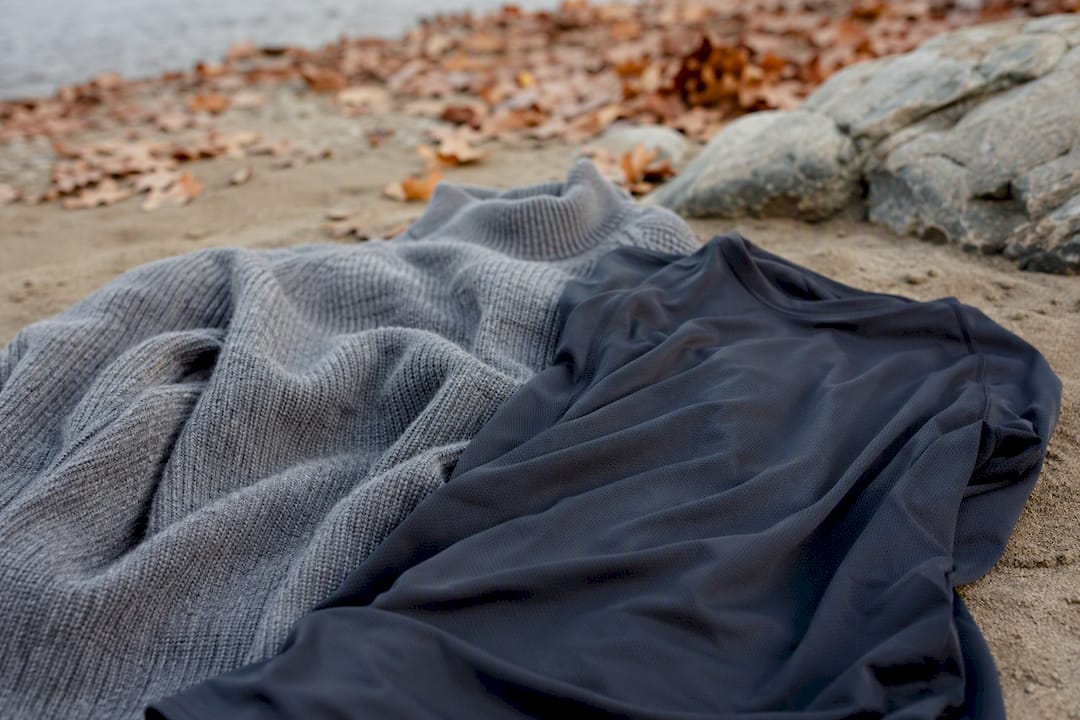
Mid layers are where streetwear gets to flex. Heavyweight cotton hoodies bring the graphic and silhouette element but offer moderate warmth on their own. Wool knits trade some visual punch for serious insulation. Fleece splits the difference: warm, light, and less bulky than a thick knit.
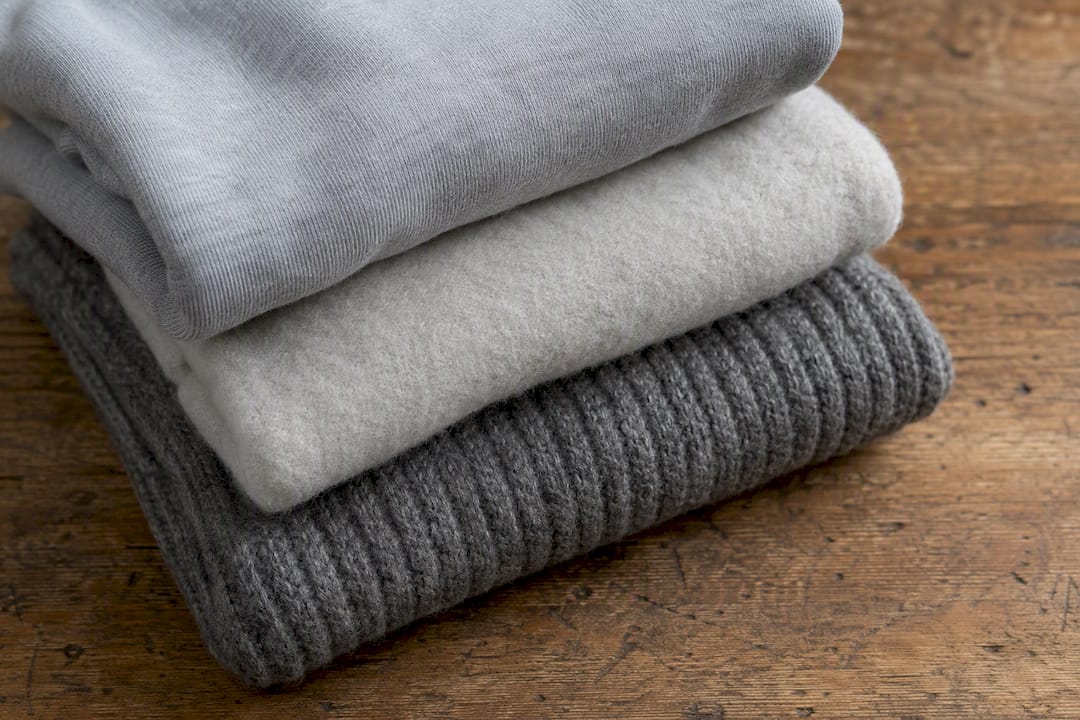
Outer layers set your ceiling for how cold you can go. Down delivers the best warmth-to-weight ratio but performs poorly wet. Synthetic insulated shells hold heat even damp, a real advantage in sleet or slush. Wool coats look sharp but need a windproof lining underneath in serious cold. Technical shells cut wind and rain but need a heavier mid layer to compensate for thin insulation.
| Layer | Best Material | Ideal Condition |
|---|---|---|
| Base | Merino wool | Dry cold, all-day wear |
| Base | Synthetic technical fabric | Active use, sweat control |
| Mid | Heavyweight cotton hoodie | Moderate cold, style focus |
| Mid | Wool knit | Deep cold, less bulk tolerance |
| Outer | Down puffer | Dry, very cold |
| Outer | Synthetic insulated shell | Wet or damp cold |
| Outer | Technical shell | Windy, wet conditions |
How Do You Layer Without Losing Your Silhouette?
The rule that saves every oversized fit: keep at least one close-to-body piece in the mix. A thermal base or slim knit anchors the whole outfit, so even a puffer-and-wide-leg combo reads intentional instead of shapeless. MadeByCOVL makes the same point when describing how a slim base under a bulky hoodie preserves proportion.
Outerwear sizing matters more than people think. Sizing up one size accommodates a hoodie underneath without swallowing your shoulders. Go two sizes up and you lose the shoulder line entirely, which flattens the whole look. Sleeve length should still hit at your wrist bone, even oversized.
- Wide-leg trousers pair best with a fitted or cropped top half, never two loose pieces at once.
- Hoodies under puffers work if the hoodie’s hem sits above the puffer’s hem, avoiding a doubled bulk line.
- Ankle gaps between wide hems and sneakers need coverage. Thick socks and high trainers or boots close that gap and keep the silhouette clean.
Pro Tip: Layer your mid piece so its cuffs and hem peek slightly past your outer layer at the wrist and waist. That sliver of visible texture reads as styled, not sloppy.
Seven Streetwear Layering Formulas That Actually Work
Each formula below names its pieces and a rough temperature window, so you can match the outfit to the forecast instead of guessing.
- Puffer over hoodie: a thermal base, a heavyweight hoodie, and an oversized puffer. Keep the hoodie hem visible below the puffer.
- Jacket sandwich: a thermal base, a denim or moto jacket, and a longer wool overcoat. The jacket-sandwich technique adds warmth and texture without a single dominant puffer.
- Knit stack: a merino base, a chunky cardigan, and a cropped bomber. Layer two knit weights for texture, not two identical thicknesses.
- Double denim with thermal: a thermal base, a denim shirt jacket, and denim or shearling trucker outer. Vary the wash between pieces to avoid a flat, matching look.
- Overcoat over hoodie: a merino base, a graphic heavyweight hoodie, and a tailored wool overcoat. This pairs streetwear grit with a sharper outer shape.
- Bomber and trench pairing: a synthetic base, a slim knit, and a bomber jacket layered under a longer trench for damp days.
- Monochrome heavyweight stack: a merino base, a wool knit, and an insulated parka, all in one tonal color family for a clean, elevated look.
Marie Claire’s Winter 2026 coverage backs several of these structures directly, particularly the knit stack and the value of texture contrast between layers.
Accessories That Add Warmth Without Adding Bulk
Small pieces do disproportionate work here. Beanies and neck gaiters trap heat at your head and neck, two areas that lose warmth fast, without adding torso bulk the way a heavy scarf can. Liner gloves under a heavier glove handle dexterity and warmth at once. Insulated boots and thick wool socks protect your feet and close that ankle gap on wide-leg trousers.
- Beanie or fitted knit cap over a bulky scarf when you want to avoid extra volume around the neck.
- Neck gaiter for wind protection that tucks cleanly under a jacket collar.
- Liner gloves plus an outer glove for dexterity in real cold.
- Thick wool socks with insulated boots to bridge cropped hems.
Match textures to your outfit’s color story: a ribbed beanie next to a chunky knit reads intentional, while mismatched sheens can flatten the whole look.
What Should You Wear at Each Temperature?
Match your formula to the actual forecast rather than the calendar date.
- 50 to 40°F: Thermal tee, hoodie, light bomber or denim jacket. No heavy outer needed yet.
- 40 to 30°F: Merino base, heavyweight hoodie, insulated puffer or wool overcoat.
- 30 to 20°F: Merino or synthetic base, wool knit, down puffer or synthetic shell with a hood.
- Below 20°F: Full three-layer stack with down or synthetic insulated outer, plus beanie, gloves, and insulated boots.
Wind and wet conditions change the math. Swap down for a synthetic insulated shell when there’s rain or slush, since down loses insulating power wet. Pull the hood up in wind rather than adding a scarf, which can trap moisture against your neck.
| Temperature | Base | Mid | Outer |
|---|---|---|---|
| 50 to 40°F | Cotton or synthetic tee | Hoodie | Light bomber or denim jacket |
| 40 to 30°F | Merino wool | Heavyweight hoodie | Insulated puffer or wool overcoat |
| 30 to 20°F | Merino or synthetic base | Wool knit | Down puffer or hooded shell |
| Below 20°F | Merino base | Wool knit plus hoodie | Down or synthetic insulated parka |
What’s Defining Winter Streetwear in 2026?
Textural contrast is running the show this season. Pairing a matte wool coat against a shiny nylon puffer, or a ribbed knit against smooth leather, gives layered outfits visual depth without needing a single loud color. Marie Claire points to knit stacks and punchy color pairings as two of the standout moves defining winter dressing this year, and both lean on contrast rather than volume for impact.
Doubling denim has moved past a novelty trick into a real layering strategy. A denim shirt jacket under a heavier denim or shearling trucker gives you two weights of the same fabric working together, which reads more deliberate than random mixing. It also solves a real problem: denim on denim in different washes creates depth that a single jacket can’t.
Statement outerwear is doing more work than it used to. Instead of treating the outer layer as an afterthought thrown over whatever’s underneath, this year’s approach treats the coat or puffer as the anchor piece the rest of the outfit builds toward. That shift changes how you shop for outerwear entirely: buy the outer first, then build your mid and base layers to complement it. Oversized silhouettes remain central to that approach, whether the piece is a wool overcoat or a technical parka.
Brand perspective: applying these rules with purpose
Layering isn’t just about staying warm. It’s about wearing pieces that say something about who you are underneath the cold. Elitebloodlines builds heavyweight hoodies and graphic tees meant to hold their shape as a mid layer, not disappear under a puffer. Limited-run drops mean the piece you build your winter fit around won’t be on every corner.
Build Your Winter Stack With Elitebloodlines
Most winter layering guides tell you what to wear without giving you pieces built to actually hold shape under a puffer or overcoat. Elitebloodlines makes heavyweight hoodies and graphic tees cut with real substance, the kind of mid layer that keeps its silhouette instead of collapsing flat once you throw a jacket on top.

Every collection is limited-run, so the mid layer anchoring your winter fit isn’t something you’ll see on three other people at the same party. If you’re ready to build a stack that holds up from November through February, check the current drops and grab your size before the run sells out.
Frequently Asked Questions
What’s the best base layer for winter streetwear? Merino wool is the strongest all-around choice for temperature control and odor resistance. Synthetic technical fabrics work well too, especially for active days, since they dry faster than wool.
How do I keep a puffer jacket from looking bulky over a hoodie? Size your puffer up by just one size, not two, and let the hoodie’s hem show slightly below the puffer’s hem. That visible layering reads as intentional rather than accidental.
What is the jacket-sandwich technique? It means wearing a lighter jacket, like denim or a moto style, underneath a longer, heavier coat. The technique adds warmth and visual depth without relying on one oversized puffer.
Can I layer streetwear for very cold weather without looking stiff? Yes. Stick to one tonal color family across your base, mid, and outer layers, and let texture contrast, like a matte wool coat over a ribbed knit, do the visual work instead of bulk.
What accessories add the most warmth for the least bulk? Beanies, neck gaiters, and insulated boots with thick socks add real warmth without adding torso volume the way a heavy scarf can.
Sources
- 10 Winter Outfit Layering Tips for Everyday Dressing | Vogue
- Forget Puffers—This “Jacket Sandwich” Layering Hack Keeps Me Warm All Winter Long | Marie Claire